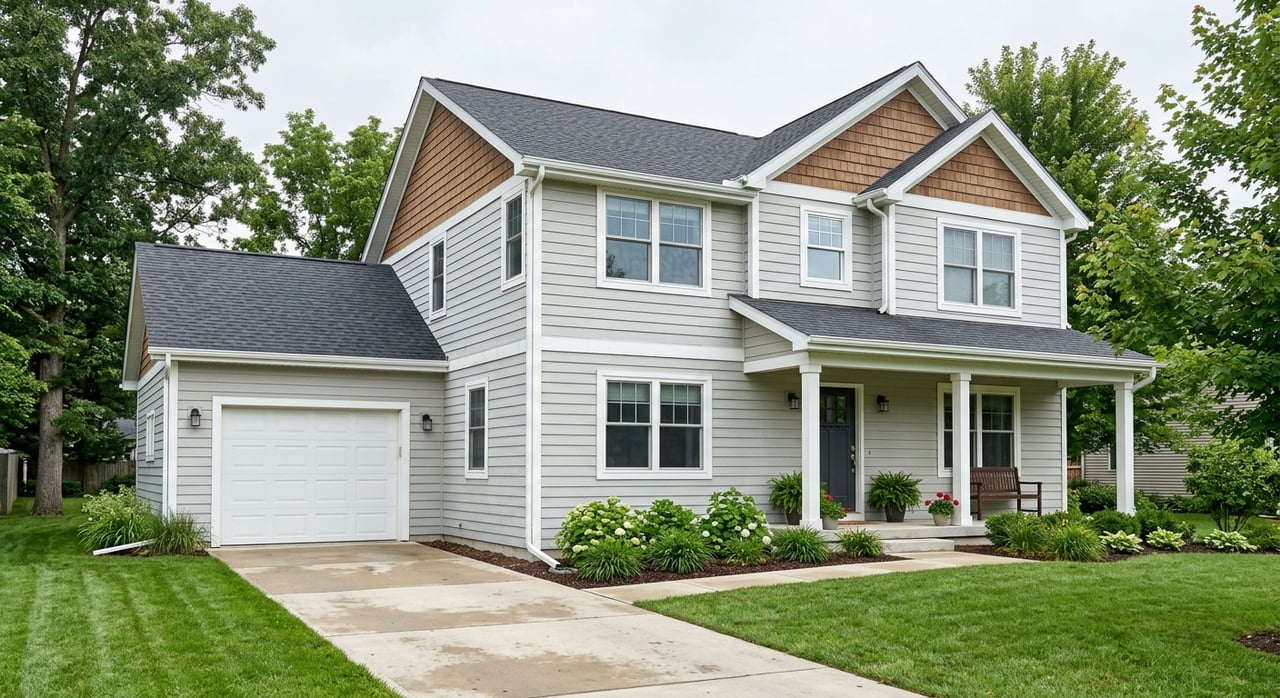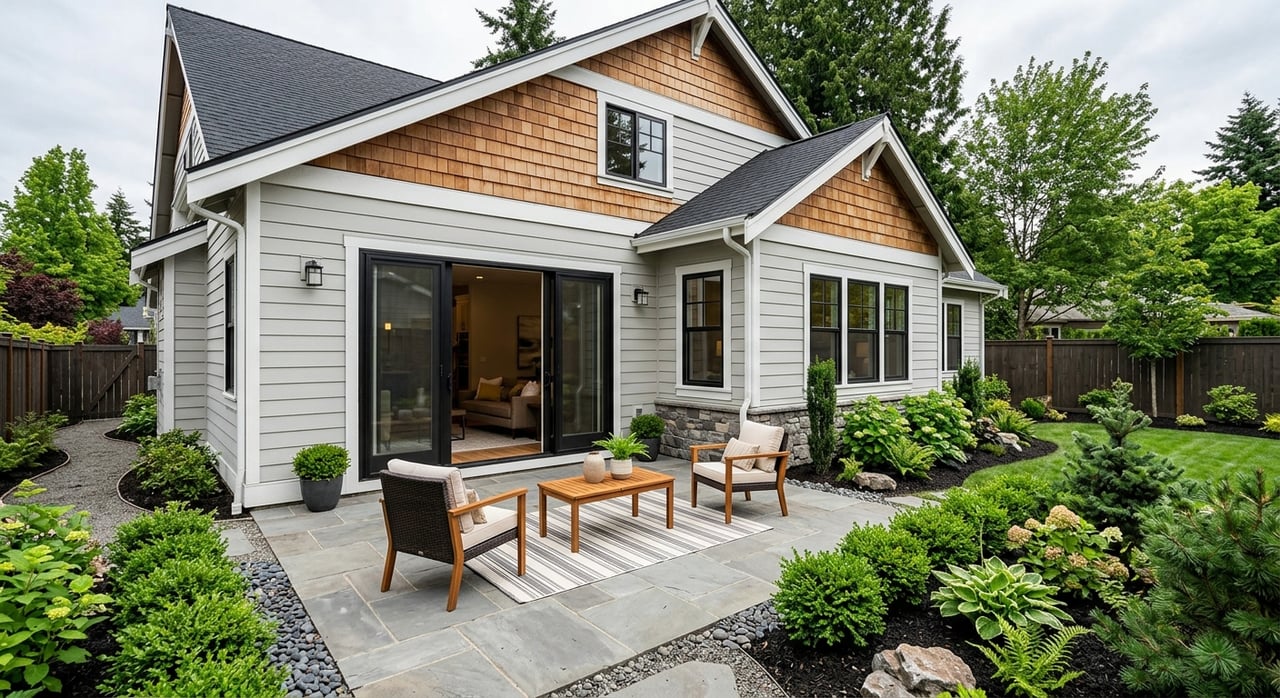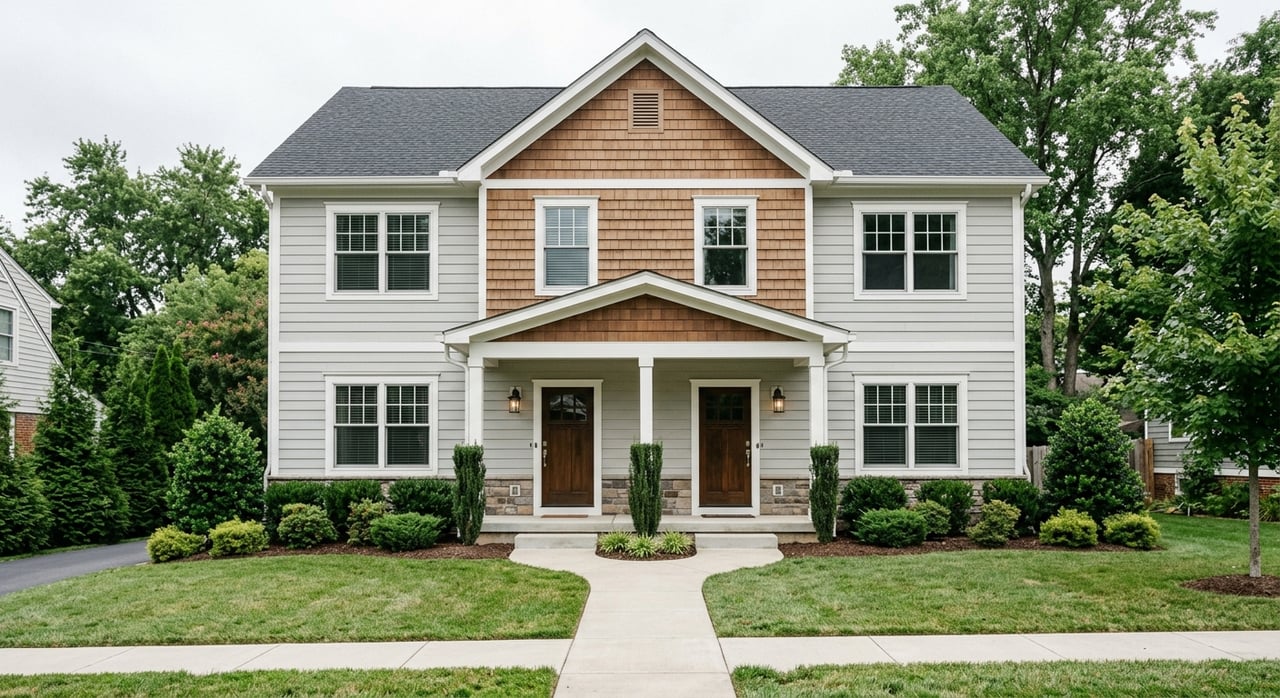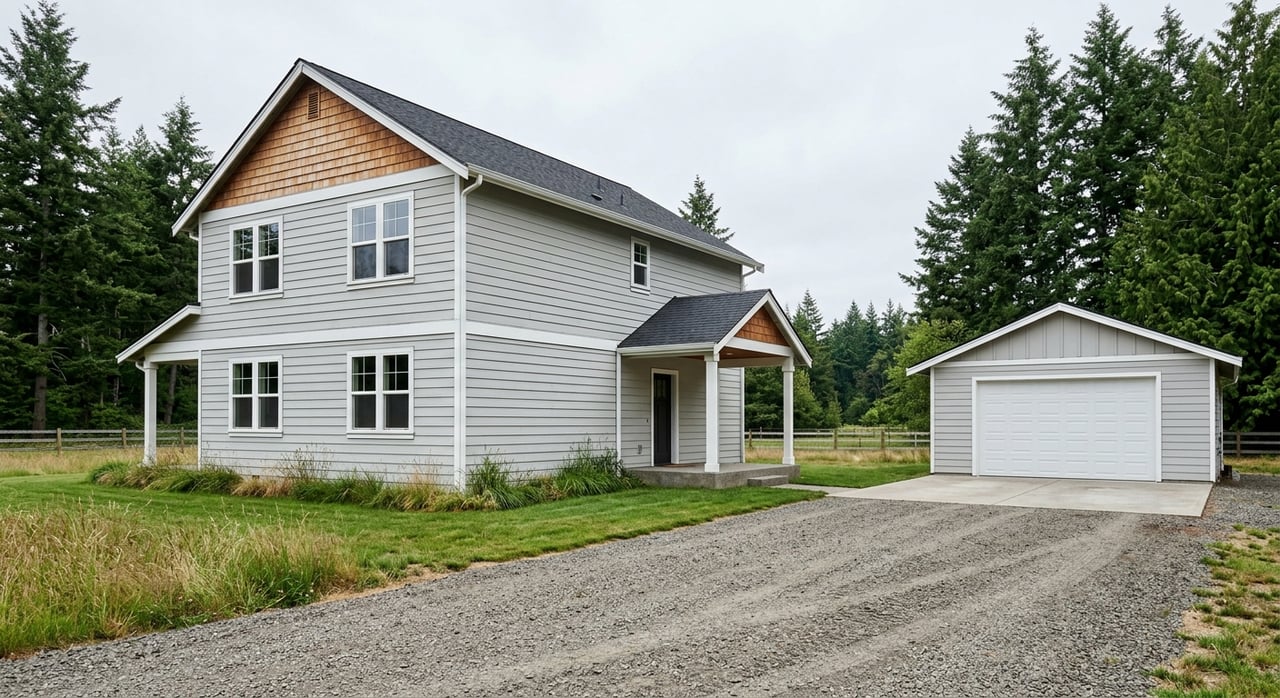
Trying to decide between a custom build or a resale home in Hidden Springs? It is a smart question, especially when you want the right mix of control, timing, and financial clarity. In an established West Linn neighborhood like Hidden Springs, both paths can work well, but they come with very different tradeoffs. This guide will help you compare the real-world pros, timelines, risks, and decision points so you can move forward with more confidence. Let’s dive in.
Why Hidden Springs changes the decision
Hidden Springs is not just a future development idea or a raw-land corridor. It is an established West Linn neighborhood association, and the city identifies Hidden Springs within its neighborhood framework, including the Hidden Springs Open Space area.
That matters because your decision is not simply about whether building is possible. It is about whether you want the speed and relative certainty of buying into an existing neighborhood now, or the added complexity that can come with starting a custom build project from the ground up.
Hidden Springs resale market snapshot
Recent market data gives you a helpful starting point. According to Redfin’s Hidden Springs housing market data, the median sale price in Hidden Springs was $760,000 in March 2026, and homes averaged 44 days on market.
For comparison, West Linn overall posted a median sale price of $775,000 and 77 days on market during the same period. That suggests Hidden Springs buyers can still find resale opportunities, but condition, pricing, and presentation continue to matter.
Custom build vs resale at a glance
At the simplest level, the choice often comes down to control versus convenience.
A custom build gives you more say over layout, finishes, and design decisions. A resale home usually offers a quicker path to closing and move-in, but it may require compromise on style, systems, or updates.
Here is the core comparison:
| Option | Main Advantage | Main Tradeoff |
|---|---|---|
| Custom build | More control over design and features | Longer timeline and more moving parts |
| Resale home | Faster move-in and more predictable occupancy | More inspection, repair, and negotiation risk |
What a custom build offers you
If you have a specific vision, building can be appealing. You may be able to shape the floor plan, choose finishes, and create a home that better matches how you want to live day to day.
For some buyers, that level of personalization is worth the extra effort. It can also be a strong fit if you are comfortable making many decisions over time and working through a longer process before move-in.
More design control
The biggest advantage of a custom build is flexibility. Instead of adapting to someone else’s choices, you can focus on the spaces, materials, and features that matter most to you.
That does not mean every decision is simple. More options can also mean more chances for design changes, budget shifts, and delays if selections are not made quickly.
New-home warranty protections
Another practical benefit is the warranty conversation that comes with new construction. The Oregon Construction Contractors Board says contractors must offer a new home warranty before or at contract signing, and that coverage may include structural defects for five to 10 years and major systems for one to two years, depending on the warranty terms. You can review these consumer protections through the Oregon CCB consumer tools.
That is a meaningful difference from resale. With an existing home, your protection relies much more on inspections, disclosures, and negotiated repairs.
What makes a custom build harder
The challenge with building is not just the house plan. It is the total project timeline, financing structure, permits, and site conditions.
In Hidden Springs and West Linn, those details can add up quickly. If your goal is a smooth and fast move, it is important to know what can slow the process down.
Build timelines are usually longer
National data shows that custom and owner-built homes generally take longer than typical move-in-ready purchases. The National Association of Home Builders reported an average of 10.1 months to complete a single-family home in 2023, while Census data showed owner-built homes averaged 13.3 months from start to completion in 2022, as summarized by NAHB.
That timeline does not include everything that can happen before construction starts. Lot preparation, plan review, contractor selection, and permit processing can all extend your total path to move-in.
West Linn permit steps can affect timing
Local process matters a lot when you build. The City of West Linn requires building permits for new construction, uses Oregon ePermitting for contractors, routes electrical permits through Clackamas County, and requires a separate Public Works permit for work in the right-of-way or utility easements, according to the city’s building permit guidance.
The city also notes that tree-removal permits can take up to 30 business days to process. If your project also needs land use approval or a final plat, those applications are handled separately, which can add more time and coordination.
Costs go beyond the floor plan
One of the biggest misconceptions about building is that the visible design choices drive most of the cost. In reality, the full project stack often matters more.
NAHB’s 2024 survey found that, on average, 64.4 percent of a new home’s sales price came from construction costs, 13.7 percent from the finished lot, and 11.0 percent from builder profit. The same NAHB cost study shows that interior finishes were the largest share within construction costs, followed by rough-ins and framing, while site work also included permit fees, impact fees, water and sewer fees, and architecture or engineering.
In plain terms, lot conditions, utility work, and design changes can move your budget fast. That is why build planning needs to account for more than countertops and paint colors.
Construction financing works differently
Financing a build is also not the same as getting a standard mortgage on a resale home. NAHB notes that construction loans are usually short term, release funds in draws as work progresses, and often carry higher rates than a longer-term mortgage.
That does not make building the wrong choice. It simply means you need to be comfortable with a financing process that can be more complex and less predictable than a typical purchase loan.
Why resale may be the easier path
For many buyers, resale wins because it is more straightforward. You can tour the home, evaluate the condition, make an offer, complete inspections, and move toward closing on a much shorter timeline than a custom build.
In an active Hidden Springs resale market, that can be a major advantage. You are choosing from homes that already exist rather than waiting through many months of planning and construction.
Faster move-in and clearer expectations
With a resale home, what you see is much closer to what you get. You can assess layout, natural light, lot use, finishes, and overall condition before you commit.
That level of visibility can make decision-making easier. It also makes occupancy more predictable, since you are not waiting on permits, material schedules, inspections during construction, or contractor timelines.
Inspections matter more in resale
The tradeoff is that resale homes shift more risk to due diligence. The Consumer Financial Protection Bureau recommends scheduling an independent home inspection as soon as possible, attending if you can, and using the inspection contingency to negotiate repairs or cancel without penalty if the results are unsatisfactory. You can review that guidance from the CFPB home inspection overview.
If your lender’s appraisal or inspection finds significant repair issues, the closing process can also become more complicated. That may include repair requirements, renegotiation, or escrow holdbacks.
How to vet a custom builder
If you lean toward building, your due diligence starts with the contractor. The Oregon CCB recommends verifying that the contractor is actively licensed, bonded, and insured, and reviewing complaint or disciplinary history before signing a contract.
The board also recommends getting multiple bids, checking references, and avoiding the assumption that the lowest bid is automatically the best one. For jobs over $2,000, a written contract is required and should clearly address materials, permits, estimated start and completion dates, debris removal, change orders, and the payment schedule, according to the Oregon CCB consumer guidance.
Builder questions worth asking
If you are comparing builders, ask clear questions such as:
- Are you currently licensed, bonded, and insured in Oregon?
- Who handles permits and utility coordination?
- What is included in the base price versus upgrades?
- How are change orders priced and approved?
- What is the projected timeline from contract to completion?
- What warranty is offered, and what does it cover?
These questions can help you compare more than personality or presentation. They give you a better view of how the build process may actually unfold.
How to vet a Hidden Springs resale home
With resale, the focus shifts from builder credentials to property condition. You want to understand not just how the home looks during a showing, but what inspection findings, disclosures, and lender conditions may mean for your budget and timeline.
That usually means paying close attention to the inspection report, any specialty inspections that make sense for the property, appraisal conditions, and how repair credits or concessions are handled during negotiation.
Resale due diligence checklist
When evaluating a resale home in Hidden Springs, keep your eye on:
- The seller’s disclosures
- The general home inspection findings
- Any recommended specialty inspections
- Lender appraisal conditions
- Repair requests, credits, or concessions
- Your target closing and move-in timeline
A resale purchase may move faster, but it still works best when you go in with a clear review process.
Which option fits your goals best?
If you care most about personalization and are comfortable with a longer, more layered process, a custom build may be worth exploring. If you care most about timing, certainty, and the ability to inspect what already exists, a resale home may be the better fit.
In Hidden Springs, that decision is especially practical because you are comparing building complexity against an established neighborhood with real resale activity. Neither option is automatically better. The right answer depends on how much control you want, how quickly you need to move, and how comfortable you are with construction, permits, inspections, and negotiation.
If you want help weighing those tradeoffs in a way that fits your timeline and goals, Amanda Hart can help you compare your options and move forward with clarity.
FAQs
Is Hidden Springs an established neighborhood or a future development area?
- Hidden Springs is an established West Linn neighborhood association, and the city identifies Hidden Springs Open Space within the neighborhood area.
How long can a custom home build take compared to buying resale?
- National data cited by NAHB shows single-family home construction averaged 10.1 months in 2023, while owner-built homes averaged 13.3 months from start to completion in 2022, not including all pre-construction planning steps.
What permits may affect a custom build timeline in West Linn?
- West Linn may require building permits, electrical permits through Clackamas County, separate Public Works permits for certain site work, and possibly tree-removal permits, land use approval, or final plat review depending on the project.
What is the main benefit of buying a resale home in Hidden Springs?
- The main benefit is usually faster move-in and more predictable occupancy because you can inspect an existing home and move through a standard purchase and closing process.
What should you check before hiring an Oregon custom builder?
- You should verify that the contractor is licensed, bonded, and insured, review complaint history, compare bids, check references, and make sure the written contract clearly explains materials, permits, timing, payment schedule, and change orders.
What is the biggest difference between new construction and resale protections?
- New construction should include a formal warranty discussion, while resale buyers generally rely more on inspections, disclosures, contingencies, and negotiated repairs.