Thinking about a small-town Oregon rental that still sits near major employers and highways? Irrigon might be on your shortlist. You want clear numbers, realistic yields, and local risks spelled out before you buy. In this overview, you’ll see what typical rents look like, how the housing stock behaves, the forces that drive tenant demand, and the due diligence steps that matter most in Irrigon. Let’s dive in.
Why Irrigon appeals to investors
Irrigon sits along the Columbia River in Morrow County, surrounded by year-round industrial and agricultural activity. You get a quieter setting, short commutes to big employers, and entry prices that are often lower than larger Oregon metros. The tradeoff is a thinner rental pool, which means less inventory and faster swings in the data from month to month.
If you model conservatively and verify on-the-ground facts, Irrigon can work for buy-and-hold investors who value steady workforce demand and single-family rentals.
Snapshot: population, households, values
Irrigon is small. Recent Census and ACS profiles show roughly 1,900 to 2,100 residents and about 750 to 780 households. The city skews heavily toward owner occupancy, so the renter share is smaller than the national average. That limited supply is a key reason well-priced units can lease quickly. You can review Irrigon’s place profile for population and tenure snapshots on the Census Reporter site. See the city-level ACS profile.
When it comes to home values and incomes, different data vendors publish different point estimates. ACS-derived profiles and DataUSA generally place median owner-occupied home value in the low-to-mid $200,000s, with household median income in the roughly $66,000 to $74,000 range. Small sample sizes and different time windows explain the gap. The takeaway is simple: use multiple sources and date-stamp your assumptions. You can compare views here: Census Reporter’s Irrigon profile and DataUSA’s Irrigon page.
What you will find: property types
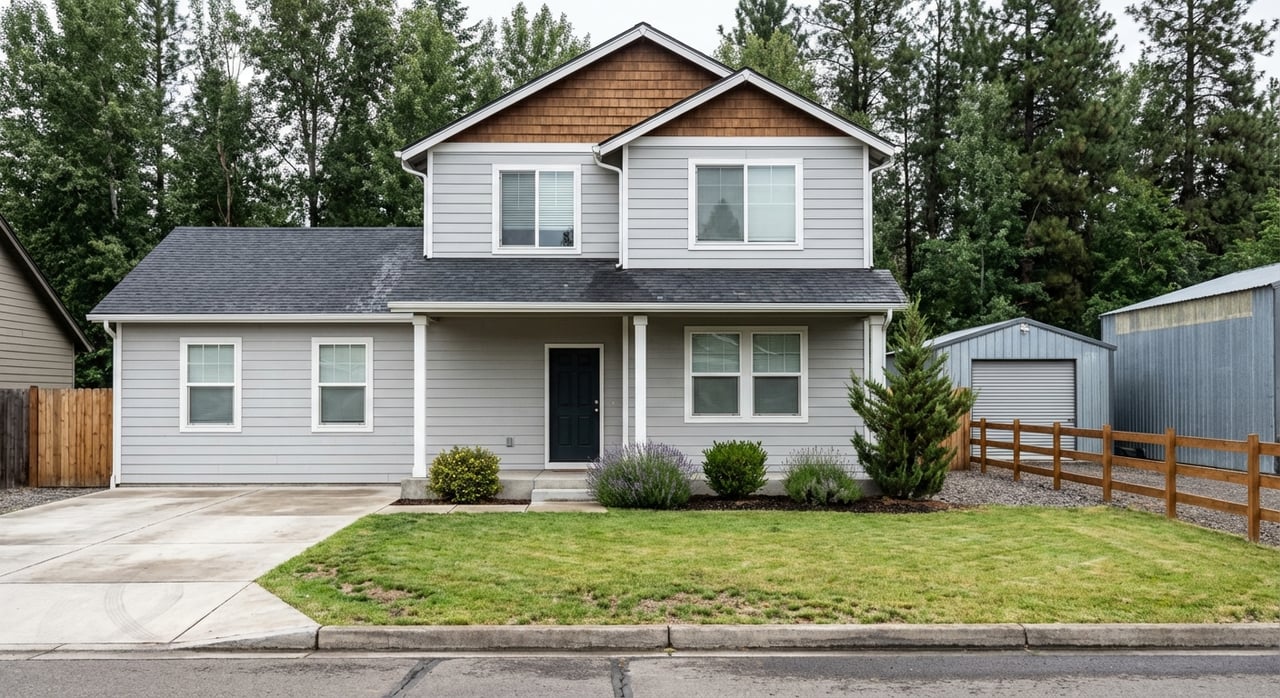
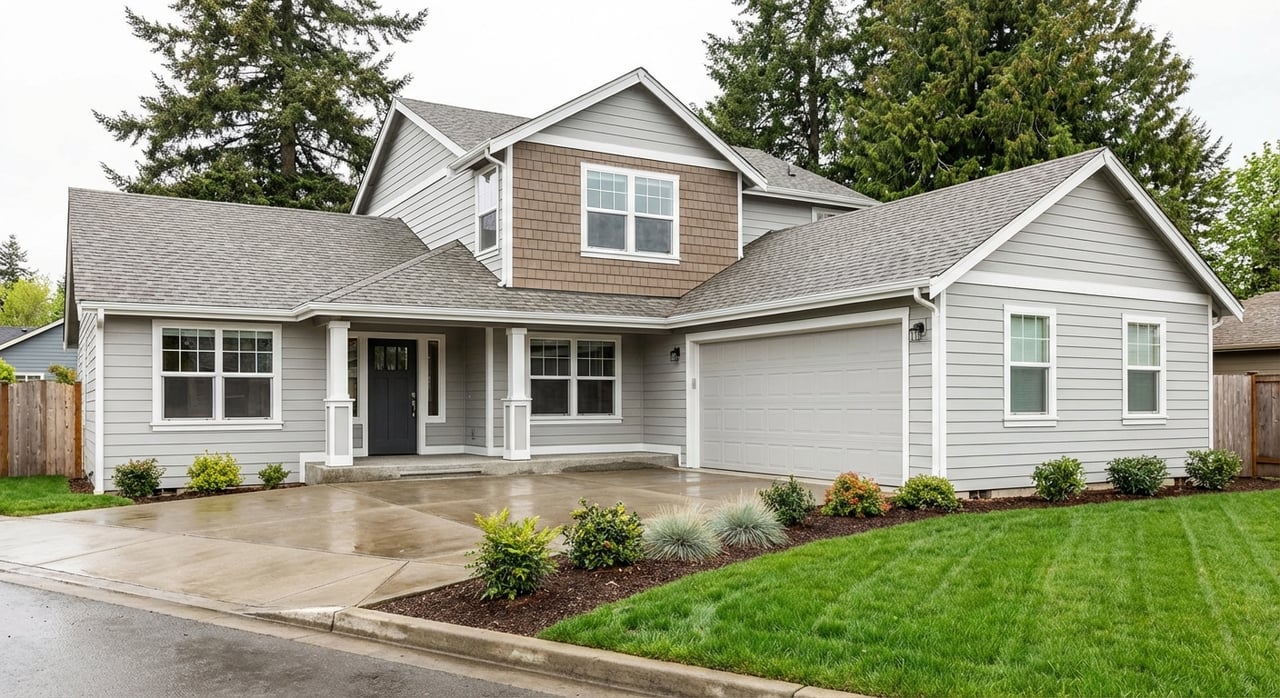
- Mostly single-family detached homes in established neighborhoods.
- A meaningful share of manufactured or mobile homes, some on their own land.
- A small number of duplexes or small multifamily properties.
- Nearby rural and agricultural-adjacent parcels that sometimes pair a modest house with acreage. These can fit long-term holds for tenants tied to seasonal or agricultural work.
Stock skews older than new-construction markets, so budget for ongoing maintenance and occasional systems upgrades.
Rents, vacancy, and yield math
Use two lenses for rents:
- ACS historical baseline: ZIP-level DP04 snapshots for 97844 have shown median gross rent under $1,000 in several recent 5-year windows. This survey-based figure moves slowly and often lags the market but gives helpful context. See ZIP 97844 ACS highlights.
- Current listing tone: Recent online listing snapshots in Irrigon often show whole-house asking rents roughly in the 1,600 to 1,900 dollar range for 2 to 3 bedroom homes. Because the market is small, a few listings can swing the average a lot, so always verify with current MLS or a local manager.
Vacancy has been modest. ZIP-level and county snapshots typically show single-digit vacancies, often below national averages, which lines up with a small rental pool and strong demand for well-priced units. Review ZIP 97844 vacancy context.
Here is a simple yield illustration to frame expectations, not a guarantee:
- Listing-based example: At an asking rent near 1,800 dollars per month and a recent listing-based home value around 308,000 dollars, simple gross yield is about 7.0 percent. That is 12 times rent divided by price.
- ACS-based example: Using a median owner value of roughly 182,000 dollars and a median gross rent around 825 dollars (both survey estimates), simple gross yield is about 5.4 percent.
The spread highlights why you should build models with both historical medians and current listings, then test sensitivity for vacancy, maintenance, and taxes.
What drives rental demand here
- Port of Morrow jobs: The Port of Morrow in Boardman is a major regional employer with food processing, warehousing, energy, and data center activity. The Port’s economic impact study notes thousands of permanent jobs and large regional output that support nearby housing demand. Many employees commute from Irrigon and surrounding towns. Read the Port’s impact analysis.
- Fast access: I‑84, rail, and river barge facilities concentrate industry along the Columbia corridor. Typical drives from Irrigon to Boardman or Hermiston are about 10 to 20 minutes, which is attractive for tenants who value short commutes.
- Workforce training: Local colleges and Port programs emphasize skills training, which can help stabilize long-term employment and renter demand. The Port’s report provides helpful context on these investments. See the same impact report.
Local rules, taxes, and utilities to check
- Oregon rent increases: Oregon uses a statewide rent-increase framework that limits annual increases to a formula commonly described as 7 percent plus regional CPI, capped at 10 percent. The allowable percent is published each year, and notice rules apply. Always confirm the current year’s figure before modeling escalations. See a plain-language summary of Oregon rules.
- Property taxes: Morrow County’s tax base is influenced by large industrial projects and enterprise-zone agreements. Before you buy, pull a parcel-specific estimate and check for any special assessments or exemptions that affect the tax bill. The county’s public pages explain property value appeals and contacts. Start with the county site.
- City water and sewer: Irrigon has invested in municipal water and sewer improvements over the past two decades, including steps to reduce nitrate levels in the drinking supply. Confirm whether a property is on city services or a private well. Review the city’s water treatment overview.
Material risks to evaluate early
- Groundwater nitrates: Irrigon lies within the Lower Umatilla Basin Groundwater Management Area. If a property uses a private well, order recent lab tests for nitrates and standard potability, and verify whether a municipal hookup is feasible. Treatment or point-of-use systems add cost and can affect habitability and insurance. Learn about the LUBGWMA program.
- Floodplain checks: River-adjacent parcels may sit in FEMA-designated flood zones, which can affect insurance, permits, and future improvements. Always verify the flood designation before you write an offer and consult the city or county planning office. Start with FEMA’s Oregon resources.
- Small-market swings: With limited rental inventory, a single new listing can nudge averages up or down. Expect more volatility than big-city markets and use ACS medians plus current listings to bracket your numbers season by season.
Zoning, land use, and river corridor notes
Irrigon’s Columbia River adjacency brings unique land use considerations. If you are evaluating lots near the river or properties with acreage, check local zoning for use restrictions, overlays, and any short-term rental rules. City planning materials provide important context before you pursue permits or changes of use. See the City of Irrigon’s comprehensive plan materials.
Your due diligence checklist
Data and comps
- Pull the city-level ACS profile for population, households, tenure, and incomes. Check Census Reporter.
- Compare ACS ZIP medians to current listings for rents and values. Use ZIP 97844 ACS. Then verify with a local property manager or agent for live comps.
Property condition and utilities
- Confirm city water and sewer versus private well and septic. If a well is present, order recent nitrate and potability tests. City water system overview.
- Budget for maintenance consistent with older housing stock. Inspect plumbing, HVAC, roof, and electrical early.
Location and risk checks
- Pull the parcel’s floodplain status from FEMA, then confirm with city or county planning. FEMA Oregon page.
- For acreage or river-adjacent properties, confirm zoning, overlays, and any permit constraints. City comprehensive plan.
- Review regional groundwater nitrate context and mitigation guidance. LUBGWMA resources.
Financial modeling
- Use conservative vacancy and repair reserves, anchored by ACS or county benchmarks.
- Apply Oregon’s annual rent-increase limit correctly for pro formas, and follow notice rules. Oregon rent-increase summary.
- Pull parcel-specific tax estimates and note any enterprise-zone impacts on the broader tax base. Morrow County info.
Putting it together
Irrigon offers a straightforward play for investors who want single-family rentals near stable employment, short commutes, and the Columbia River corridor. The numbers can pencil if you buy right, verify rents in real time, and budget for an older housing stock. The key is disciplined due diligence: bracket your rent and value assumptions with both survey medians and current listings, test your model under conservative vacancy and maintenance, and clear the environmental and flood checks before you close.
If you want a local, hands-on partner who can help you source, underwrite, and manage the moving parts across Washington and Oregon, reach out to Amanda Hart. As a licensed broker in both states, Amanda and The Hive pair data-driven guidance with on-the-ground support so you can move forward with confidence.
FAQs
What makes Irrigon attractive for buy-and-hold investors?
- Proximity to the Port of Morrow and short commutes support steady tenant demand, while entry prices often stay below larger Oregon metros.
How do Irrigon rents compare to ACS medians?
- ACS ZIP medians often sit under 1,000 dollars, while recent whole-house listings commonly show 1,600 to 1,900 dollars, reflecting small-market swings and survey lag.
Is nitrate contamination a concern for rentals in Irrigon?
- Yes, the area is within the Lower Umatilla Basin GWMA, so test private wells for nitrates and confirm access to municipal water or treatment options.
Do Oregon rent-increase limits affect my pro forma?
- Yes, annual rent increases are capped by a statewide formula, so confirm the published percent for your year and follow notice rules when modeling.
Should I expect higher maintenance with Irrigon homes?
- Often yes, since much of the housing stock is older; plan for system upgrades and ongoing repairs in your cash flow.