Thinking about trading big-city rush for vineyard views, wide skies, and a slower weekend rhythm? If Prosser has been on your radar, you’re not alone. Many buyers are drawn to its small-town feel, wine culture, and easy access to the Tri-Cities. In this guide, you’ll learn what life looks like in Prosser, which housing options fit different goals, current price bands, and the practical checks to complete before you buy. Let’s dive in.
Why Prosser wine country works for everyday life
Prosser sits on the Yakima River in Benton County and had about 6,062 residents in 2020, with steady growth since then. You’re in the heart of Washington wine country, surrounded by vineyards and tasting rooms that anchor daily life and weekend plans. The town’s role in agriculture and wine provides a unique local identity that blends community, craft, and open space. Prosser’s background and the broader Yakima Valley AVA help explain why grapes and tasting rooms shape the area.
Lifestyle highlights: tasting rooms, events, outdoors
Prosser features walkable tasting clusters like Vintner’s Village and dozens of nearby wineries. You can explore producers listed on DrinkProsser’s winery pages or stop by local favorites like WIT Cellars’ Prosser location for weekend flights and music.
Signature events bring the town to life. The late-September Great Prosser Balloon Rally draws visitors for morning launches and an evening glow. Food-and-wine events and educational programs often run through the Walter Clore Wine & Culinary Center, profiled by Discover Washington Wine.
If you like fresh air, you’ll find scenic vineyard drives, access to the Yakima River, and casual hikes on nearby ridgelines. Many tasting rooms offer outdoor patios where you can take in valley views.
Housing options in Prosser
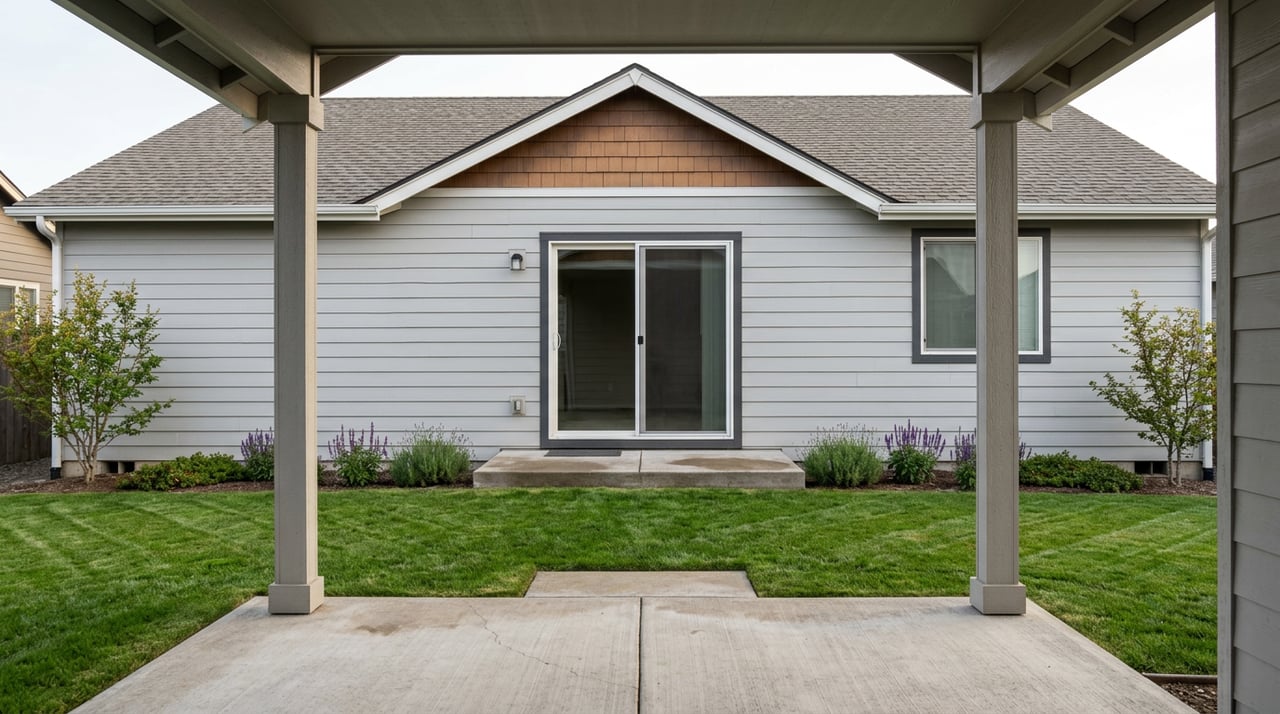
Prosser offers a wide mix of homes, from in-town neighborhoods to rural acreage and producing vineyards. Your best fit depends on how you want to live day to day.
In-town single-family neighborhoods
- What you’ll see: Smaller to mid-sized houses, some historic homes near downtown, and newer subdivisions. Many are on city water and sewer. Lots are modest and convenient for low-maintenance living.
- Why it works: Shorter trips to shops, services, and the hospital. Municipal utilities are simpler than rural systems. Check city standards for parking, setbacks, and design.
Vineyard-adjacent acreage and view lots
- What you’ll see: Parcels from a few acres up to large view lots. Some have grapes planted; others are open ground or pasture with sweeping valley vistas.
- What to check: Many rural properties rely on wells and septic systems, while irrigation for vines or landscaping may come through an irrigation district like Roza or SVID. Confirm water sources and any water rights. District allocations can affect value and operations; see context on irrigation district supply in this Capital Press report.
Producing vineyards and commercial assets
- What you’ll see: Larger vineyard holdings with grape contracts and dedicated irrigation. These are agricultural businesses more than typical residential purchases.
- What to check: Production history, vine age, equipment lists, existing grape contracts, and water rights. Plan for specialized inspections and financial due diligence.
Small subdivisions, view-lot developments, and manufactured communities
- What you’ll see: Compact planned neighborhoods, some manufactured-home communities, and occasional new-build offerings for buyers who want turnkey convenience.
- What to check: HOA or community rules, builder warranties for new construction, and available services at the address, including broadband.
What homes cost right now
Market numbers move quickly, but recent snapshots show typical Prosser home values in the low 400s. Many in-town single-family homes and newer 3-bedroom builds often fall in the low-to-mid $300k to $500k range depending on location, age, and condition. Small acreage or view parcels (about 3–10 acres) span from the low $100k range to several hundred thousand dollars. Larger acreage and producing vineyards vary widely based on planted acres, irrigation access, equipment, and any grape contracts.
Use these as ballpark ranges. For precise pricing, ask for up-to-date MLS comps for the neighborhood or parcel you have in mind.
Commute and essential services
- Commute: Prosser sits about 28–30 miles from the Tri-Cities. Typical drive time to Richland runs about 30–40 minutes via I-82, depending on traffic. See a simple distance reference here.
- Health care: Prosser Memorial Health opened a new hospital in early 2025, expanding local services and emergency capacity. Learn more from Prosser Memorial Health’s update.
- Schools: Properties in Prosser are generally served by the Prosser School District. Review current district boundaries and performance data during your due diligence.
Smart buyer checklist for Prosser
Before you write an offer, walk through this quick checklist. A little homework goes a long way in wine country.
- Confirm water and sewer: Is the home on city water/sewer, or well and septic? For rural parcels, plan for well testing and septic permitting.
- Verify irrigation and water rights: If you want vines or irrigated landscaping, confirm irrigation district access (such as Roza or SVID) and any water rights included with the parcel. Senior vs junior rights can matter.
- Check zoning and allowable uses: Planning agritourism or a tasting room? Confirm what the property is zoned for and any permits needed with Benton County Planning or the City of Prosser if within city limits.
- Review vineyard infrastructure: If vines are included, get production history, equipment lists (wind machines, pumps, filtration), and a vine health assessment.
- Evaluate utilities and broadband: Ask which providers serve the address. Rural pockets sometimes have limited options.
- Factor in insurance and hazards: Discuss rural structures, wildfire coverage, and any agricultural liability with your insurer.
- Consider lifestyle fit and seasonality: Popular events and weekend traffic are part of the charm. Visit at different times of year to see how it feels.
How we help you move with confidence
Buying in wine country adds a few extra steps, especially around water, zoning, and land use. That’s where steady guidance makes all the difference. Our team combines local market insight with new-construction and land expertise to help you:
- Compare in-town homes, view lots, and acreage side by side.
- Map out utilities, irrigation access, and permitting paths.
- Price property types with current MLS comps and builder insights.
- Coordinate inspections and timelines so you can move ahead with confidence.
Ready to explore Prosser homes, acreage, or even a future vineyard? Reach out to Amanda Hart for a friendly strategy session and next steps.
FAQs
Which Prosser areas offer walkable access to tasting rooms?
- You’ll find a cluster of tasting rooms in and around Vintner’s Village and nearby town streets; start with the DrinkProsser winery listings and then drive the area to evaluate walkability.
How much does small acreage cost in Prosser?
- Recent snapshots show many 3–10 acre parcels ranging from the low $100k range to several hundred thousand dollars, depending on utilities, irrigation access, views, and location.
What should I know about irrigation rights before buying?
- Confirm whether irrigation is served by a district like Roza or SVID and whether any water rights convey; allocations and priority can affect value and use, as noted in regional irrigation coverage.
How long is the commute from Prosser to the Tri-Cities?
- The drive to Richland typically runs 30–40 minutes via I-82 for about 28–30 miles; see a quick reference on distance and route.
Are health services expanding in Prosser?
- Yes. Prosser Memorial Health opened a new hospital in early 2025, increasing services and emergency capacity; read the hospital update.
Can I open a tasting room or host events on my property?
- It depends on zoning and permits; confirm allowable uses and any application steps with Benton County Planning or the City of Prosser if within city limits.