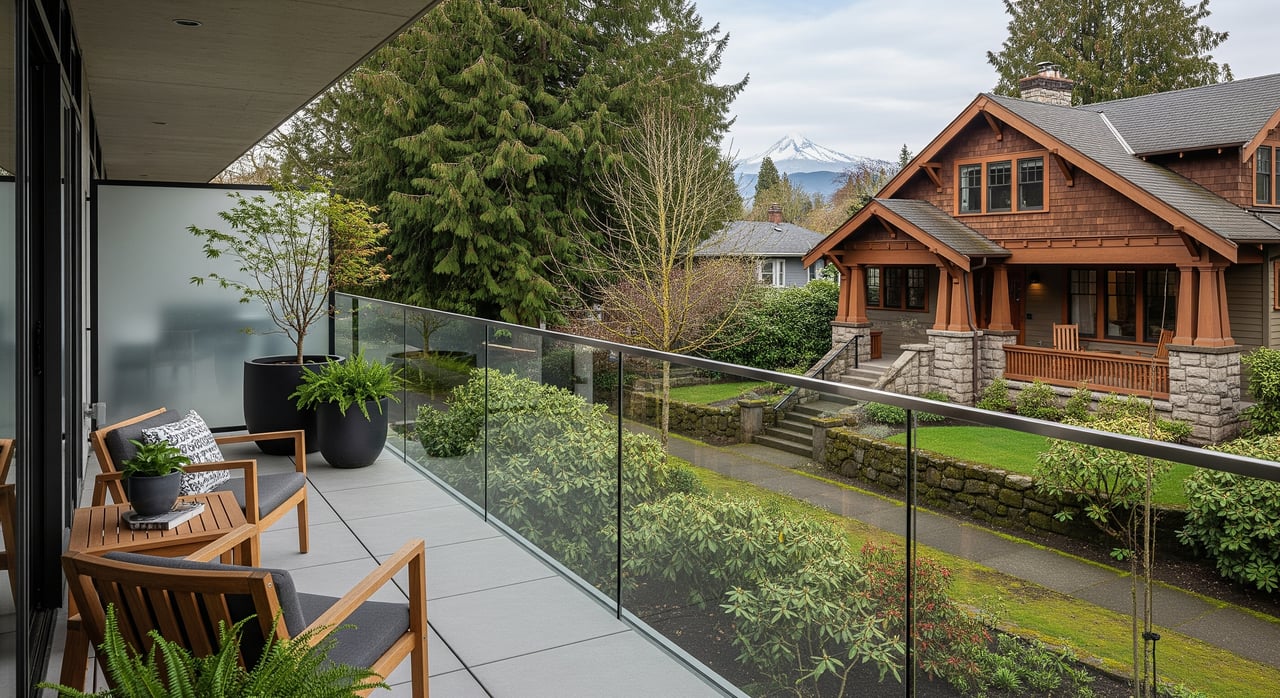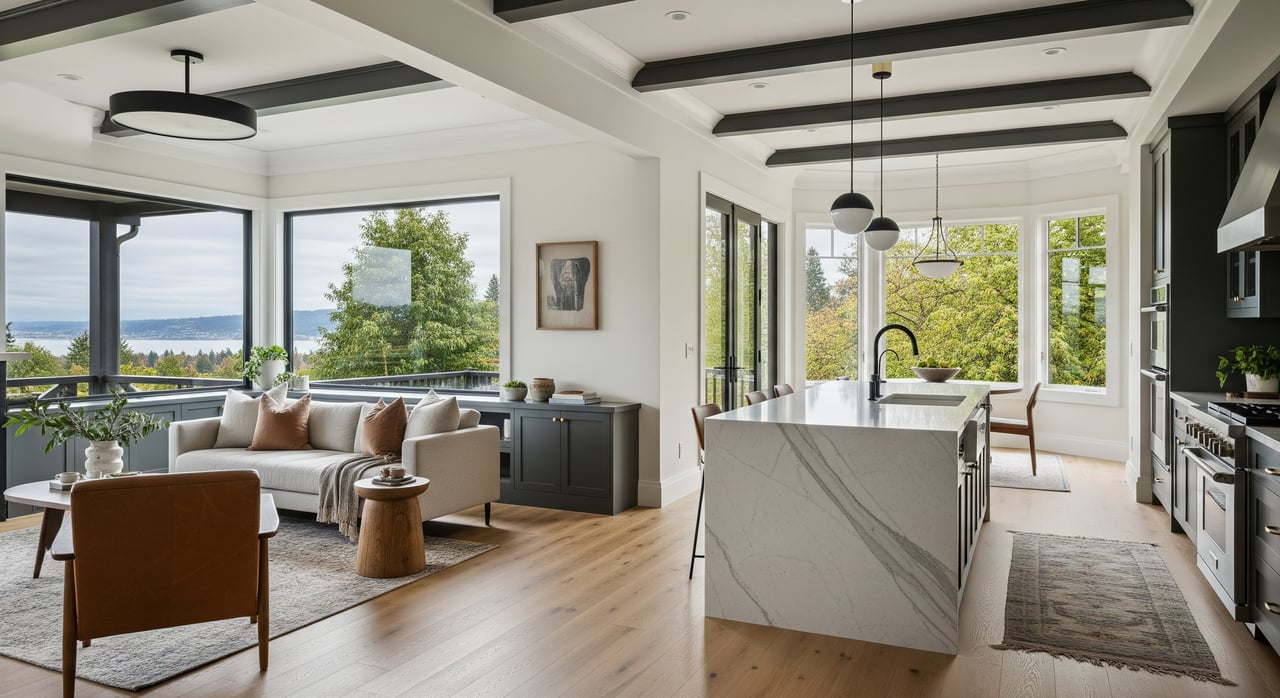
Staring at your Portland Heights kitchen and wondering if a refresh will pay off, or if it is smarter to move within the West Hills instead? You are not alone. Many homeowners here weigh steep-lot logistics, permit timelines, and buyer expectations against the cost of a new address. In this guide, you will see realistic local costs and timelines, what permits and contractors mean for your schedule, financing and tax basics, and a step-by-step framework to compare “remodel and stay” versus “sell and move.” Let’s dive in.
How Portland Heights buyers judge value
Homes in Portland Heights are known for views, natural light, and distinctive architecture. Many buyers look for updated kitchens and baths, solid systems, and a layout that works with hillside living. If your home offers strong views and light, targeted updates can help you capture that premium. If you need structural work or major systems, your decision often hinges on timeline and tolerance for disruption.
Cost and timeline: what to expect
Small projects: fast refreshes
- Typical scope: interior paint, select-room flooring, cabinet paint and new counters, a basic bath refresh, curb appeal and landscape clean up.
- Cost range: about $5,000 to $35,000 depending on extent and finishes.
- Timeline: 2 to 8 weeks.
- ROI snapshot: Often the best bang for your buck when selling soon. These projects improve first impressions and can shorten days on market.
Medium projects: targeted remodels
- Typical scope: full bathroom remodel, midrange kitchen update, multiple window replacements, new roof if needed, or a primary-suite upgrade. ADUs involve more work and permitting.
- Cost ranges: full bath about $15,000 to $45,000. Midrange kitchen about $40,000 to $120,000. Windows for multiple openings about $10,000 to $40,000. ADUs often $80,000 to $300,000 or more.
- Timeline: 6 to 16 weeks for a single-room remodel. ADUs or structural additions often take 4 to 9 months or longer including permits and inspections.
- ROI snapshot: Baths and modest kitchen updates can recoup a meaningful portion of cost at resale. Larger kitchen overhauls may add price but recover a lower percentage of spend.
Major projects: whole-house and additions
- Typical scope: structural changes, full-gut kitchen, multiple baths, additions, seismic upgrades, and major systems work.
- Cost range: as a broad guide, about $150 to $400 plus per square foot in higher-cost markets, totaling roughly $150,000 to $1,000,000 or more depending on size and quality.
- Timeline: 6 to 12 months or longer, plus plan review before work starts.
- ROI snapshot: Highly variable. These projects can add significant value in absolute terms, but percentage returns are often lower. If you plan to stay long-term, the lifestyle upgrade may be the main payoff.
Permits, contractors, and schedule reality in Portland
Plan review and inspections are handled by the City of Portland. For most projects, allow about 2 to 12 weeks or more for plan review depending on complexity and the completeness of your submittal. Review the City of Portland Bureau of Development Services permit process to understand submittal, review, and inspection steps before you set your schedule. Site access on hillside lots can also influence inspection timing and staging during construction.
- Permits and plan review: See the City of Portland’s Bureau of Development Services for permit guidance and timelines. City of Portland Bureau of Development Services permit process
- Historic resources: Some properties carry historic overlays or are on historic inventories that affect exterior changes. Check the city’s program before you design exterior work. Portland Historic Resources
- ADUs: Portland’s permissive approach to ADUs has created options for rental income or multigenerational living. Review current rules and costs early. City of Portland ADU resources
- Contractor availability: Popular contractors often book 6 to 16 weeks out, and longer for large projects. Verify licensing and bonding with the state. Oregon Construction Contractors Board
Financing your remodel
Project funding often shapes scope and speed. Common options include cash, a HELOC, a cash-out refinance, a renovation mortgage, or a construction loan.
- HELOC: Flexible and useful for small to mid projects. Rates are typically variable and the line is secured by your home. Review risks and costs first. CFPB guidance on HELOCs
- Renovation mortgages: FHA 203(k) and Fannie Mae HomeStyle let you roll qualified renovation costs into a purchase or refinance. Eligibility, scope, and timelines vary by product and lender. HUD FHA 203(k) | Fannie Mae HomeStyle Renovation
- Construction loans: Best for major additions or whole-house work. Expect builder draw schedules, interest-only payments during construction, and detailed documentation.
- Cash-out refinance or personal loan: Consider rate, fees, and overall cost of funds relative to your project timeline.
Tax basis and local incentives
- Capital improvements: Document qualifying improvements because they can increase your tax basis and reduce taxable gain at sale. Keep receipts and change orders. Review IRS guidance before you start. IRS guidance on home improvements and basis
- Energy upgrades: Incentives in Oregon can offset costs and improve buyer appeal. The Energy Trust of Oregon offers programs for insulation, heat pumps, and weatherization. Energy Trust of Oregon programs
Eligibility and amounts change over time. Confirm details with your tax professional and utility program administrators.
What usually pays off at resale
Regional studies often find that smaller, targeted updates and curb appeal work deliver strong marketability and solid near-term returns. Larger custom projects can increase the final sale price but may not recover a high percentage of the spend. Use reputable regional benchmarks, then ground your plan with a local CMA for your specific micro-location, view, and lot. See the latest regional Cost vs. Value analysis for high-level guidance. Remodeling Magazine Cost vs. Value
A clear framework to decide
Use this step-by-step process to compare “remodel and stay” versus “sell and move.”
Define your objective. Are you selling soon, moving within the West Hills, or staying long-term?
Get a local CMA. Ask for comps in Portland Heights with similar view, lot, square footage, and finish level. Focus on what buyers at your price tier expect in kitchens, baths, and systems.
Prioritize work. Group items into essential fixes, high-impact upgrades, and low-impact cosmetic items.
Gather bids. Get two to three contractor bids per category and ask for estimated permit and inspection timing.
Choose funding. Compare a HELOC, cash-out refi, renovation mortgage, or construction loan based on rate, fees, and your timeline.
Run the numbers. Estimate a post-renovation sale price via the CMA, then subtract renovation costs, carrying costs during the work, typical selling costs, and estimated taxes. Compare that to the net if you sell as-is.
Weigh lifestyle factors. Consider your tolerance for construction, the need to move quickly, living through noise and dust, and your target listing season.
Sample timelines in Portland Heights
- Quick refresh before sale, 2 to 8 weeks. Interior paint, minor kitchen refresh, light landscaping. Minimal permitting and fast to stage.
- Mid-range update before listing, 8 to 16 weeks. One full bath or a midrange kitchen remodel. Include plan review, contractor lead time, and inspections in your schedule.
- Major renovation or addition, 6 to 12 months or longer. Best if you plan to stay and enjoy it. If you intend to sell after, plan for carrying costs during construction and timing around spring listing season if possible.
Quick seller checklist
- Request a CMA and ask which high-impact updates will most improve marketability.
- Confirm permits and inspection steps with the City of Portland. Bureau of Development Services
- Verify historic status before exterior changes. Historic Resources
- Check contractor licensing and insurance. Oregon CCB
- Keep detailed receipts for capital improvements. IRS basis guidance
- Explore energy incentives you can complete or market to buyers. Energy Trust of Oregon
- Line up staging and professional photos as soon as work is scheduled.
When moving may be smarter
- You face structural or systems work that triggers long permits and inspections, and you do not want months of disruption.
- The CMA shows limited upside after a remodel compared with selling now and buying a better fit nearby.
- Contractor backlogs push your completion date past your ideal listing window.
- You want to capitalize on a seller’s market with minimal updates plus staging.
Ready to decide with confidence?
Whether you plan a quick refresh or a major project, you deserve a plan that protects your time, money, and peace of mind. If you want local comps, a scope review, and a practical go-to-market strategy, reach out to the Hive. Book a Free Consultation with Amanda Hart to map your best next step.
FAQs
What are typical Portland permit timelines for remodels?
- Plan for about 2 to 12 weeks or more for plan review depending on scope and the completeness of your submittal. Build in time for inspections during construction.
How much does a midrange kitchen remodel cost locally?
- Many midrange kitchens in the Portland area run about $40,000 to $120,000, with timelines commonly 6 to 16 weeks depending on scope and contractor availability.
Are ADUs worth adding in Portland Heights?
- ADUs can add value and potential rental income, but they are often expensive and take longer due to permits and inspections. Evaluate zoning, carrying costs, and your rental market before you commit.
Which financing works best for renovations?
- For small to mid projects, HELOCs or cash-out refinances are common. For large renovations or additions, consider renovation mortgages or construction loans based on your scope and eligibility.
Do renovations reduce taxes when I sell?
- Qualifying capital improvements can increase your tax basis, which may reduce taxable gain at sale. Keep documentation and consult a tax professional for your situation.