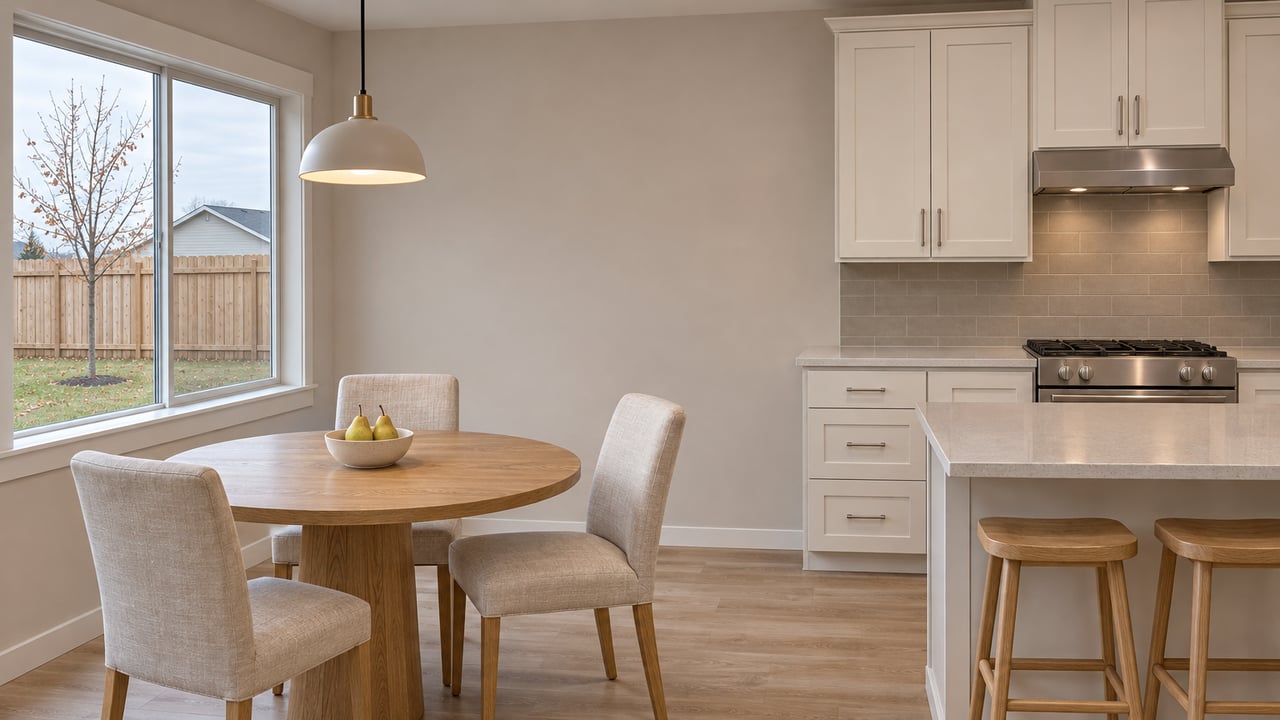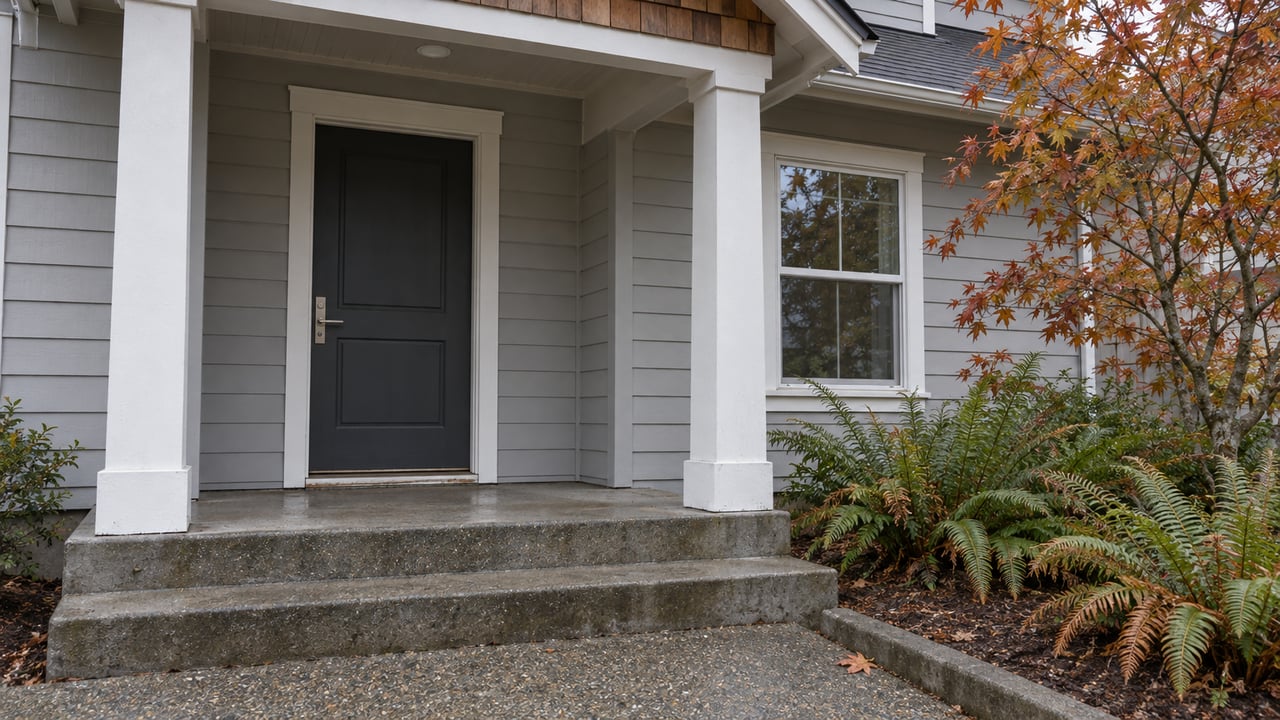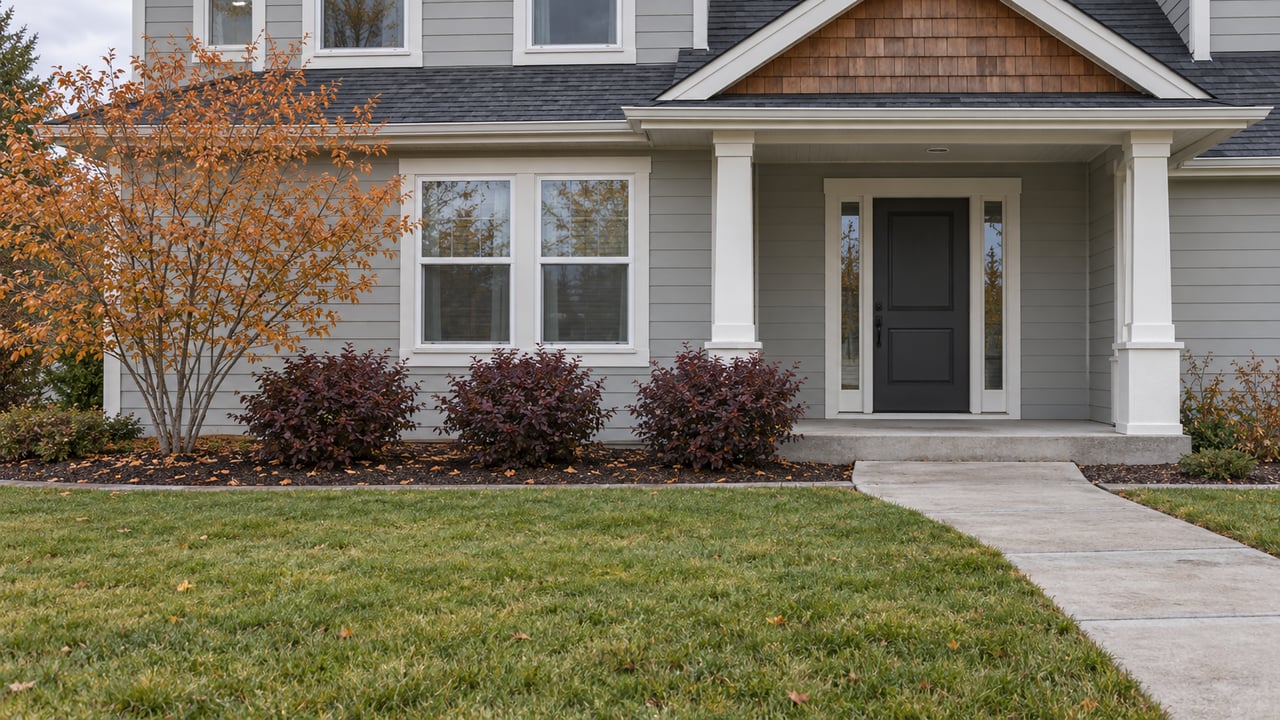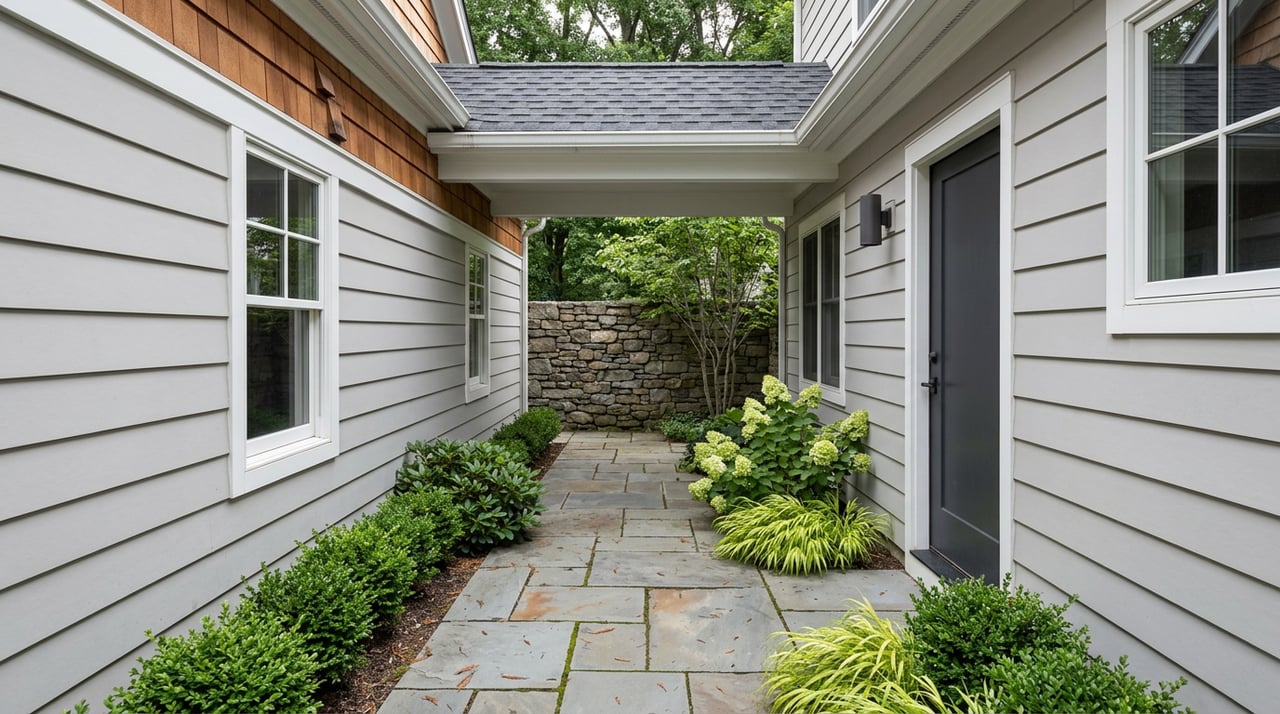
Picture two houses a few blocks apart in Lake Grove, listed within $50,000 of each other this summer, similar square footage, similar age. One comes with a deeded slip on Oswego Lake through a private association down the street. The other doesn't come with any water access at all, and no amount of money offered after closing will change that.
That isn't a stretch. It's the ordinary reality of shopping for a home near a lake that has been privately managed for more than eight decades, where the right to swim off a dock has almost nothing to do with a home's price and almost everything to do with a paragraph buried in its deed history. If you're comparing Lake Grove listings by price per square foot alone, you're measuring the wrong thing.
Lake access runs through a deed, not a budget
Oswego Lake is managed by the Lake Oswego Corporation, a private entity representing shoreline shareholders, and it has been run this way for generations. Access happens in one of two ways: owning a waterfront parcel with shareholder status, or holding deeded rights through one of 20 separate easement lots scattered around the shoreline.
Those rights trace back to old land grants. The Lake Corporation's own eligibility rules point to historical documents, including express access privileges granted by the Oregon Iron and Steel Company in recorded property instruments going back roughly a century. The Corporation is explicit on one point that surprises a lot of buyers: lake access privileges cannot be sold, purchased, or transferred. You have to already own, or move into, a home that carries the deeded right. Roughly 3,000 homes citywide qualify, and Lake Grove is one of the areas where that eligibility clusters most heavily.
In practical terms, this means you can't pay a premium to add lake rights to a home that doesn't already have them. The rights either came with the parcel or they didn't, and nothing at the closing table changes that.
Twenty different associations, twenty different price tags
Because each of the 20 easement lots is governed by its own volunteer board with its own bylaws, the actual cost of "having lake rights" swings wildly and has nothing to do with what you paid for the house. Here's what a few of them charge, based on the fee schedules each association currently publishes:
| Easement | One-time initiation | Annual dues | Worth knowing |
|---|---|---|---|
| Blue Heron | $1,250 | $200 | 24 boat slips, restroom on site, powerboat dues run an extra $400 |
| Uplands | $1,500 | $475 | 10 boat slips against a 29-name waitlist |
| Oswego Lake Villas | $3,500 | $325 | 7 boat slips, 30 canoe rack spaces |
| Forest Hills | $3,500 | $775 | boat slip fee alone runs $3,500 |
| Goodin | $3,700 | $325 | 44-member waitlist for a powerboat slip, 73 for a rack |
A home tied to Blue Heron has a $1,250 initiation fee, before annual dues. A home tied to Goodin or Forest Hills can mean nearly triple the up-front cost, and even then the buyer might land 44th in line for the slip they actually wanted. None of that shows up on the MLS sheet. It shows up months after closing, when the new owner starts filling out the easement association's membership paperwork.
On top of whatever the local easement charges, every member also owes a separate annual fee directly to the Lake Corporation itself, and that fee scales with how you plan to use the water. Registering to swim and paddle costs far less than registering a powerboat, so two neighbors with the same easement can still end up paying very different totals depending on what's tied to their dock.
The listing sheet won't always flag it, so you have to check
Agents don't always spell out easement eligibility in the listing remarks, and it's entirely possible for a home a few doors down the block to carry deeded rights to more than one easement while the one you're touring carries none. Addresses can also be eligible for more than one easement lot at once, which changes the math again.
The only reliable way to know is to run the specific address through the Lake Corporation's own eligibility lookup before you write an offer, not after you've already fallen for the house.
Waterfront homes carry a version of this same surprise. Buyers of certain Oswego Lake shoreline properties have reported a one-time lake transfer fee when Lake Corporation shareholder status passes to the new owner. It's a cost tied to which side of the closing table you're standing on, not to the sale price on the contract.
If your home doesn't have rights, the public parks are the backup, and one has its own boundary line
Two public swim parks exist as an alternative for residents without deeded easement access. The Lake Oswego Swim Park sits at 250 Ridgeway Road and is open to any city resident, typically from July 1 through August 31. The Lake Grove Swim Park, at 3800 Lakeview Boulevard, is owned and operated by the Lake Oswego School District and is not open to every city resident. Eligibility is tied to the boundaries of the old Lake Grove School District, a line that predates the current district map and has to be checked separately from any easement question.
A legal case that's moving again this month
The private status of the lake itself is still being argued in court, and the argument got a fresh filing this month. The case dates to 2012, when residents Todd Prager and Mark Kramer sued the city over an ordinance banning public access to the lake through city-owned parks, and it has already been heard at both the Oregon Court of Appeals and the Oregon Supreme Court. In 2024, a Clackamas County judge ruled that the lake was legally navigable at statehood and therefore subject to the public trust doctrine, ordering the city to open a public access point at Millennium Plaza Park. The city council voted 5-2 in March 2025 not to appeal that ruling.
The Lake Oswego Corporation, representing the shoreline shareholders, did appeal, and on August 4, 2026, filed its opening brief with the Oregon Court of Appeals, arguing the lake was not legally navigable at statehood and that the lower court's ruling should be reversed.
"The cat is out of the bag."
Lake Oswego Mayor Joe Buck told KGW that the phrase captured the reality that the public was already using the newly opened access point regardless of how the appeal turns out. That case is specifically about public access through city-owned parks, not about whether existing easement members keep their private membership rights. But it's a live reminder that the legal ground under "private lake" has shifted more than once since 2012, and it's worth a direct question to your agent about the current status before you weigh a premium for water access.
What this means for your search
In the three months ending May 2026, the median sale price across Lake Oswego was $969,000, up 3.7% from the same period a year earlier, with homes going pending in roughly three weeks on average. As of early August 2026, active listings inside Lake Grove specifically span from the mid-$600,000s to well past $3 million.
That spread usually gets explained by square footage, lot size, and finish level, and most of the time that's the right explanation. But a real slice of it also comes down to something the price can't show you: whether a given parcel carries deeded lake rights, which of the 20 easements it's tied to, what that association currently charges, and how long the waitlist runs for the amenity you actually want. Two homes at the same price point can offer completely different relationships to the water, and neither the tax record nor the MLS sheet will tell you which is which.
A few honest caveats
- Fee schedules are set annually by each easement's own volunteer board, so treat the numbers above as a snapshot rather than a guarantee for next season.
- Waitlist counts move constantly. A 29-name wait for a boat slip today could be shorter or longer by the time you close.
- The Court of Appeals case has no scheduled decision date, and appeals of this kind can run well over a year, so this is genuinely a wait-and-watch situation.
- This is general market information, not legal advice about property rights or easement law. Specific questions about a parcel's eligibility should go to the Lake Corporation directly, and any contract language should be reviewed by an attorney.
FAQ
Can I buy or add lake easement rights to a Lake Grove home that doesn't already have them? No. The Lake Corporation is explicit that access privileges cannot be sold, purchased, or transferred apart from the specific parcel they were originally deeded to.
How do I find out if a specific address has easement rights before I make an offer? Run the address through the Lake Corporation's own eligibility lookup tool rather than relying on the listing description, since agents don't always flag it and some addresses qualify for more than one easement at once.
Does the pending Court of Appeals case affect people who already have easement rights? The case now before the Oregon Court of Appeals concerns public access through city-owned parks like Millennium Plaza, not the private membership rights held through the 20 easement associations. It's still worth asking for a current status update, since the legal picture has changed several times since the lawsuit began in 2012.
The point
In Lake Grove, the sale price tells you about square footage, condition, and lot size. It does not tell you whether you're buying into a $1,250 initiation fee and $200-a-year local association dues at Blue Heron or a $3,700 initiation fee and a 44-person waitlist at Goodin, or nothing at all. That's a distinction worth running down before you write an offer, not after you've moved in and started asking the neighbors where they keep their kayaks.
If you're weighing a specific Lake Grove address and want to know what it actually comes with, Amanda Hart at Hart2Homes can help you check the fine print before you make an offer. Book a Free Consultation and let's look at the deed history together, not just the listing price.