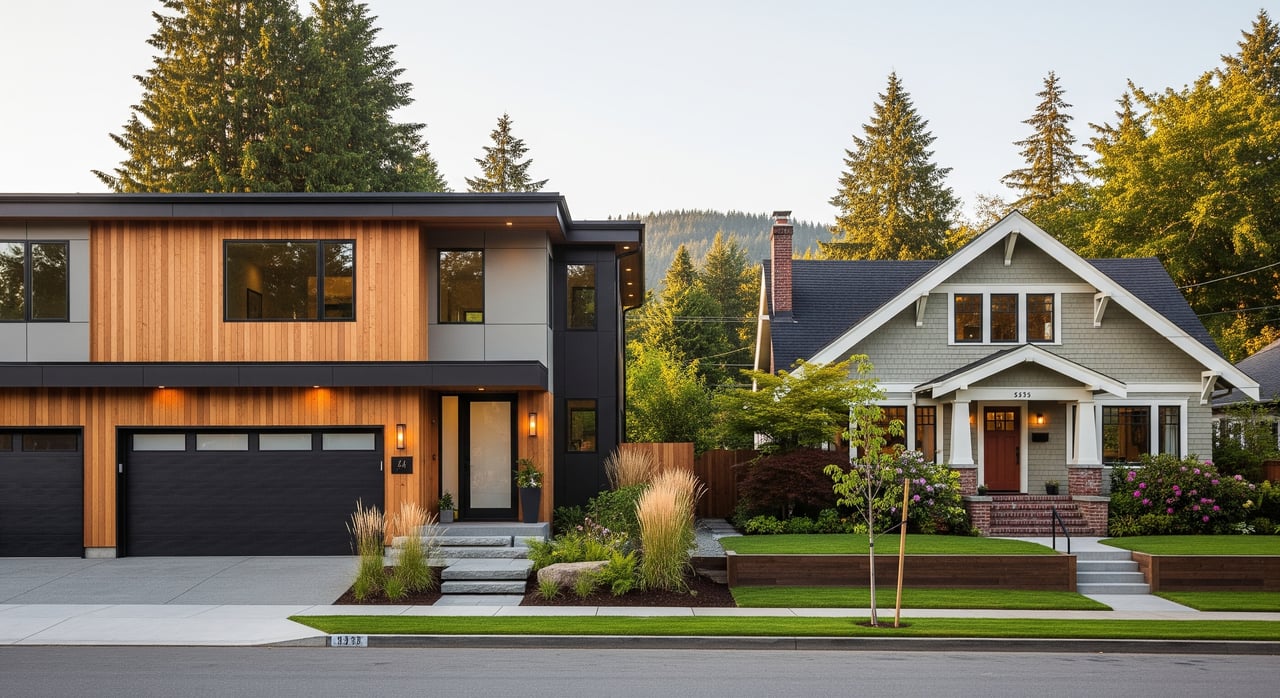
Thinking about buying in Raleigh Hills and torn between a shiny new build and a character-filled resale? You are not alone. The right choice comes down to timing, budget, and how much customization or maintenance you want to take on. This guide walks you through costs, timelines, inspections, energy savings, and practical next steps specific to Raleigh Hills so you can move forward with confidence. Let’s dive in.
Quick comparison at a glance
| Factor | New build | Resale |
|---|---|---|
| Purchase price | Often higher due to modern finishes and builder overhead | Often lower per square foot, but updates or repairs may be needed |
| Timeline | Several months to 12+ months depending on permits, lot conditions, and builder capacity | Typical 30–45 days from contract to close, with inspection and appraisal |
| Customization | High. Options range from production to custom builds | Low to moderate. You inherit existing layout and finishes |
| Maintenance | Lower near term, with staged builder warranties | May need near-term replacements for roof, HVAC, or appliances |
| Financing | Construction-to-permanent loans common; interest-only during build | Conventional, FHA, or VA financing typical |
| Energy use | Meets current Oregon code, often more efficient | Varies by age and upgrades; retrofits can improve performance |
Raleigh Hills context to know
Raleigh Hills sits in a mature, mostly built-out area of Washington County within the Portland metro. You will find a mix of mid-century homes, later builds, and some newer infill. Because lots are limited, new construction usually happens on split parcels or rebuilds, which can affect permitting and timelines. Local factors like zoning overlays, neighborhood covenants, and utility hookups can shape what is possible on a specific lot.
Key local resources to consult as you evaluate your options include the Washington County Building Division for permits and inspections, Washington County property records for parcel and tax history, the Beaverton School District for attendance boundaries, utilities like Portland General Electric and Northwest Natural, and TriMet for transit details.
What drives costs here
Purchase price and upgrades
New construction typically commands a premium for modern systems and finishes. Semi-custom or custom homes add cost for design flexibility. Resale homes can be priced lower per square foot, but plan for updates to kitchens, baths, flooring, or mechanicals if they are near end of life.
Soft costs and site work for new builds
Beyond a builder’s base price, you may see lot premiums, site work like grading or retaining walls, utility extensions or hookups, impact fees, landscaping, driveway work, and permit or inspection fees. Builders often offer finish packages and upgrades for appliances, countertops, cabinetry, flooring, or HVAC. Leave room in your budget for selections and potential overages.
Inspection and repair cushion for resales
Older homes may need immediate attention for roof, windows, HVAC, water heater, exterior siding, plumbing, or electrical updates. Many buyers keep a maintenance reserve to handle surprises and near-term improvements. Your actual needs will vary by the home’s age and prior care.
Warranties and long-term cost offsets
New builds commonly include staged warranties, such as 1 year for workmanship, 2 years for systems, and around 10 years for structural coverage. Resales usually do not include builder warranties, though you can purchase a third-party home warranty for selective systems in the first year.
Timelines and process
New build path: what to expect
A typical sequence includes lot selection and contract, permit submittal, foundation and site work, framing, systems rough-in, insulation, drywall and finishes, inspections, and a final walk-through before receiving a Certificate of Occupancy. In Raleigh Hills, timing depends on permit review, lot conditions, and builder capacity. Expect several months to 12 or more months, with potential delays from weather, material supply, or inspection backlogs.
Sample new-build timeline:
- Lot and contract: 2–6 weeks for due diligence and terms
- Permitting: varies by complexity and county workload
- Construction: roughly 6–10+ months depending on scope
- Final inspections and closing: 1–3 weeks after punch list and approvals
Resale path: faster close
Most resale transactions close in about 30 to 45 days from mutual acceptance, subject to inspections, appraisal, and loan underwriting. You can negotiate closing dates, especially if the home is vacant. Some transactions close sooner if you are using cash or a streamlined loan.
Sample resale timeline:
- Offer and acceptance: a few days
- Inspections and negotiations: 7–10 days, plus any follow-ups
- Appraisal and underwriting: 2–3 weeks
- Closing and move-in: typically by day 30–45
Local permitting and inspections
For new builds, the Washington County Building Division conducts staged inspections at key milestones, including foundation, framing, rough-in for mechanical, plumbing and electrical, insulation, and a final building inspection before occupancy. For resales, plan for a general home inspection and any targeted follow-ups, such as sewer scope, chimney, roof, pest, or radon testing.
Energy, efficiency, and incentives
Code and performance
New homes must meet current Oregon building and energy-code standards, which generally means stronger insulation, tighter air sealing, and efficient equipment compared with many older homes that have not been retrofitted. Common regional upgrades include heat pump heating and cooling, high-efficiency water heaters, high-performance windows, added insulation, LED lighting, and EV charging rough-ins.
Programs and certifications
Regional resources like Energy Trust of Oregon and the Oregon Department of Energy provide incentives and technical guidance for efficient equipment and new construction programs. You may also see third-party labels such as ENERGY STAR for Homes or Earth Advantage, which can influence comfort and utility costs. Federal tax incentives are available on some clean-energy equipment in qualifying situations; confirm current eligibility with a tax professional.
System lifespans and maintenance
New mechanicals usually come with manufacturer warranties and a longer remaining life. Typical industry ranges include about 20–30 years for asphalt shingle roofs, around 15–20 years for HVAC, 10–15 years for tank water heaters, and 15–30 or more years for windows, depending on materials and upkeep. Actual life varies with maintenance, climate, and usage.
Inspections and quality checks
Resale inspection checklist
- Structural: foundation cracks, settlement, grading and drainage patterns
- Roof and exterior: age, flashing, siding condition
- Systems: age and condition of furnace or heat pump, water heater, electrical panel and wiring type, plumbing materials
- Moisture and air quality: past or current leaks, mold, ventilation
- Pests: signs of carpenter ants or termites
- Potential hazards: asbestos in some older materials, lead paint in homes built before 1978, and radon testing as recommended in the Pacific Northwest
- Site specifics: mature trees near structures, easements, and whether the property is on sewer or older septic
New build walkthrough checklist
- Pre-drywall: framing quality, mechanical/plumbing/electrical layout and access
- Pre-finish: insulation install, air sealing, window and door operation, exterior details
- Final: fit and finish, appliances, HVAC operation, water heater, electrical outlets and GFCIs, exterior grading and drainage, and any promised landscaping or driveway work
- Documentation: confirm what is included in the base price and upgrades, detailed punch list with timelines, and written warranty terms
Negotiation levers to consider
- Resale: inspection-based repairs, seller credits, price adjustments, and appraisal contingencies
- New build: concessions on upgrades, site work inclusions, closing timelines, and clarity on change-order pricing
Who each option suits
You might lean toward a new build if you value picking finishes, want lower near-term maintenance, prefer modern energy standards, and have flexibility on move-in timing. If you need to move quickly, prefer an established neighborhood feel, or want more price negotiation opportunities, a resale can be the better path.
Decision questions to clarify your fit:
- How firm is your move-in date?
- Do you value customization more than a lower initial price?
- What is your comfort with maintenance and repair risk?
- Are you willing to use construction-to-permanent financing or do you prefer a standard mortgage?
- Which local factors matter most, like lot characteristics, transit access, or specific school assignments?
Local action steps for Raleigh Hills buyers
- Call the Washington County Building Division to understand permit requirements and expected review timelines before signing a new-build contract.
- Pull Washington County property records for tax history, past permits, and parcel details on any resale you are considering.
- Confirm utility service and potential hookup fees with Portland General Electric, Northwest Natural, and the local water and sanitary sewer providers.
- Review Beaverton School District information for attendance boundaries if that is important to your decision.
- Check TriMet routes and service levels near the property to match your commute or lifestyle.
- If pursuing energy upgrades, explore incentives through Energy Trust of Oregon and the Oregon Department of Energy.
- Speak with a local lender early about construction-to-permanent loans versus conventional loans so you can compare total costs and timelines.
How Hart2Homes & The Hive helps
When you choose a new build, you want a steady hand to coordinate selections, track timelines, and protect your warranty rights. If you go resale, you want a calm partner who manages inspections and negotiates smartly. Our team brings hands-on new-construction experience and a boutique, service-first approach across Oregon and Washington, so you get clear guidance from first tour to closing. Have questions about your next move in Raleigh Hills or nearby? Connect with Amanda Hart to book a free consultation and map your best path.
FAQs
What should I budget for new-build soft costs in Raleigh Hills?
- Plan for potential lot premiums, site work, utility extensions or hookups, impact fees, landscaping, driveway work, and permit and inspection fees in addition to the builder’s base price.
How long does a resale purchase usually take in Washington County?
- Most resale transactions close in about 30 to 45 days from mutual acceptance, subject to inspections, appraisal, and loan underwriting.
Are new homes in Oregon more energy efficient than older resales?
- New homes must meet current Oregon energy codes, which generally means better insulation, air sealing, and efficient equipment compared with many older homes that have not been updated.
What inspections are most important for older homes in the Portland metro area?
- A general home inspection plus targeted checks like sewer scope, roof, chimney, pest, moisture, and radon testing are common and can inform repair negotiations.
What warranties come with a new build, and how do they help?
- Many builders offer staged coverage, such as 1 year workmanship, 2 years systems, and around 10 years structural, which can lower near-term repair risk and costs.
Which financing is typical for each path?
- New builds often use construction-to-permanent loans with interest-only draw periods, while resales commonly use conventional, FHA, or VA mortgages.