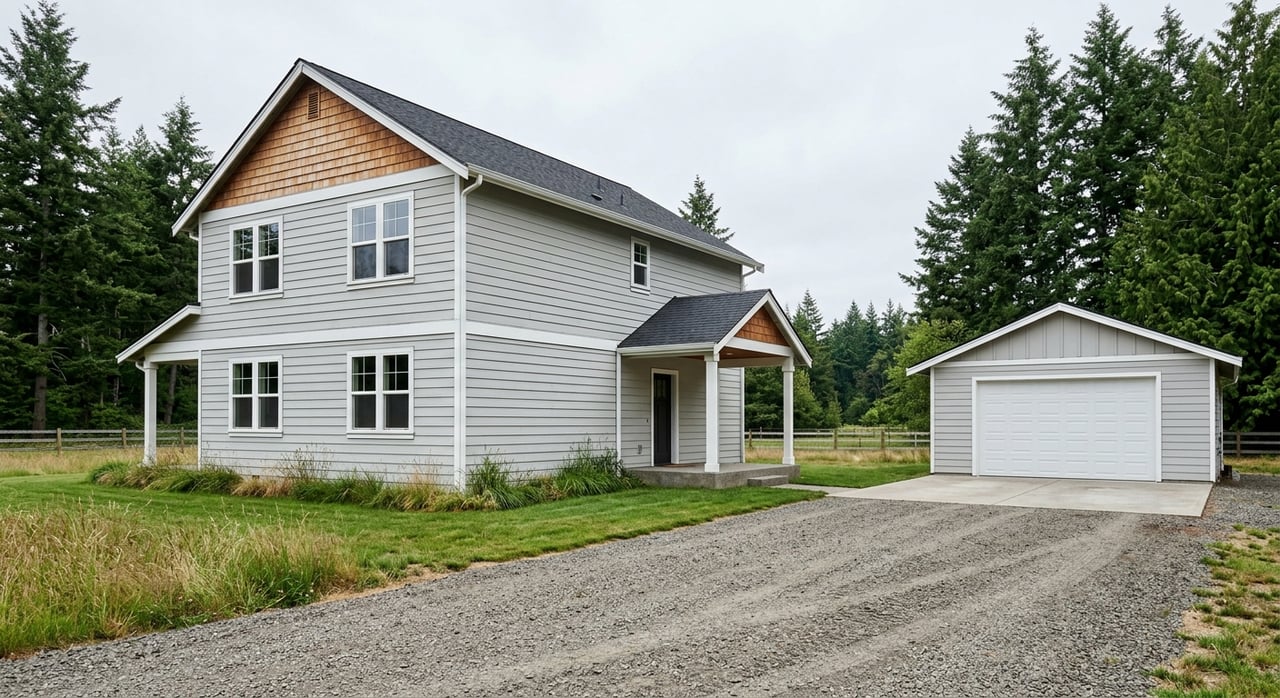
Dreaming about a little more elbow room in Irrigon? Acreage living can offer space for outbuildings, equipment, gardens, or animals, but it also comes with a very different checklist than buying a typical in-town home. If you are thinking about purchasing land or a home on acreage in Irrigon, this guide will help you focus on the details that matter most before you commit. Let’s dive in.
Why acreage buying in Irrigon is different
In Irrigon, acreage often means more than a larger lot. Morrow County planning materials describe irrigation water as central to the county’s agricultural landscape, and that local context shapes how many properties function. When you shop for acreage here, you may be evaluating the home, the land, water delivery, and existing rural infrastructure all at once.
That is why two properties with similar size can work very differently in real life. One may behave more like a rural homesite, while another may function more like a small farm-style property with outbuildings or irrigation features. The difference usually comes down to jurisdiction, zoning, and utility setup rather than the street address alone.
Start with jurisdiction and zoning
Before you fall in love with a property, confirm whether it is inside Irrigon city limits or in unincorporated Morrow County. That one detail can shape what you can do with the land, whether private wells are allowed, and what rules apply to animals, storage, and home-based business use.
In Morrow County, the RR-10 Rural Residential Zone is intended for rural living and carries a 10-acre minimum lot size. County code says this size is designed to accommodate private wells and sewage disposal systems, and it allows gardens and limited livestock outright. The code also states that the zone is meant to remain compatible with nearby farming and natural resource land management.
Inside the City of Irrigon, the rules are different. The city says home occupations are allowed only when they meet code standards and have a business license. The city also limits outside storage, inoperable vehicles, and certain types of animal ownership.
If your vision includes chickens, bees, rabbits, a shop, or a home business, do not assume a large parcel automatically allows it. Verify the exact zoning, any overlays, and any local standards before you write an offer. If animals are part of your plan, it is also smart to review the livestock-district map for the Irrigon area.
Know the well and septic basics
For many acreage properties, well and septic due diligence is just as important as the home inspection. Oregon Water Resources Department maintains public well-report records, which can help you review the property’s well history. Oregon State University’s Well Water Program also recommends that private well owners know the location of the well, septic tank, and drainfield, inspect the well yearly, and review recent water testing.
If you are buying a home with a private well, OSU states that Oregon requires bacteria and nitrate testing when the property is purchased, and the results must be reported. That makes water quality a must-check item, not a bonus item. Ask for the latest test results and confirm whether they are current enough to help you make an informed decision.
Septic records matter too. In Morrow County, septic approvals are handled by UCo Health, which oversees site evaluations, construction permits, pre-cover inspections, historical records, and authorization notices for most systems in the county. For you as a buyer, that means septic paperwork can help confirm how the system was permitted and where key components are located.
You should also request information about the type of septic system and the drainfield location. OSU notes that drainfields should not be compacted by vehicles, grazing animals, or building activity. On acreage, where it is tempting to use every part of the land, that is an important long-term ownership detail.
Pay close attention to irrigation rights
If a property is marketed with irrigation, slow down and verify exactly what that means. OSU Extension explains that when an irrigation district holds the water right, the district holds the legal right in trust, while the landowner holds the right to receive and apply the water. Just because a parcel sits inside a district boundary does not automatically mean that specific parcel has a water right attached.
This is one of the biggest reasons acreage buyers need careful due diligence. You will want to confirm district membership, place of use, any canal or ditch easements, and what kind of delivery is expected. OSU Extension also notes that district water generally cannot be moved to another property, sold separately, or used in ways that conflict with district policies.
It is also important to understand that the full authorized amount is not guaranteed every year. Water delivery depends on the district’s rights, infrastructure, policies, and water availability. If irrigation is a major reason you want the property, make sure you understand how the system works before closing.
Check for groundwater concerns
Some domestic wells in northern Morrow County fall within the Lower Umatilla Basin Groundwater Management Area. Morrow County says this area covers about 550 square miles in northern Morrow and northwestern Umatilla counties and was designated because of high nitrate contamination. The Boardman and Irrigon area has ongoing well testing, and the Oregon Health Authority offers free nitrate testing and household water support for eligible private-well users in the area.
For you as a buyer, the takeaway is simple. Ask whether the parcel is within the affected area and request current water-test documentation before you close. If a seller cannot clearly provide recent testing, that is a signal to investigate further.
The Oregon Health Authority says water at or above 10 mg/L nitrate should not be used for drinking or cooking without treatment or bottled water. It also says boiling does not remove nitrates. On a rural property, understanding this before move-in can save you stress, cost, and surprises.
Plan for day-to-day acreage upkeep
Acreage living in Irrigon can be rewarding, but it usually involves more hands-on upkeep than a typical suburban property. OSU guidance highlights regular tasks like inspecting the well, protecting the drainfield, and keeping contamination sources away from the well. That includes chemicals, fuel tanks, animals, and manure piles.
You will also want to think about how you use the land every day. Heavy animals and vehicles can damage a drainfield, and fertilizer, pesticide, and irrigation practices can affect water quality. A property may look wide open, but not every area should be used the same way.
If the home is inside city limits, remember that animal rules may be more limited than expected. The City of Irrigon says a property may keep no more than four dogs, and it has additional limits for chickens, rabbits, and bee colonies. For buyers who want a hobby-farm feel, local code matters just as much as lot size.
A smart buyer checklist for Irrigon acreage
Before you move forward on an acreage property, keep this checklist handy:
- Confirm whether the parcel is inside Irrigon city limits or in county jurisdiction.
- Verify the exact zoning and any overlays.
- Check whether your intended use is allowed, including animals, shops, storage, or home-based work.
- Pull the well log and review recent bacteria and nitrate testing.
- Confirm the location of the well, septic tank, and drainfield.
- Request septic permits, site-evaluation records, and historical approvals through UCo Health or county records.
- If irrigation is part of the property, verify district membership, place of use, easements, and expected delivery.
- Ask whether the parcel is in the Lower Umatilla Basin Groundwater Management Area.
Why guidance matters with acreage purchases
Acreage purchases usually involve more moving parts than a standard home sale. You are not only evaluating condition and price. You are also looking at land use, water, septic, access, and how the property will function for your goals after closing.
That is where a clear process can make a big difference. When you work with a team that understands land and acreage transactions, you can ask better questions earlier and avoid assumptions that cost time or money later. The right guidance helps you move forward with more clarity and fewer surprises.
If you are exploring acreage living in Irrigon and want practical help sorting through property details, zoning questions, and next steps, connect with Amanda Hart for a free consultation.
FAQs
What should you check first when buying acreage in Irrigon?
- Start by confirming whether the property is inside Irrigon city limits or in unincorporated Morrow County, because that affects zoning, well rules, animal allowances, and other land-use standards.
What does RR-10 zoning mean for Morrow County acreage?
- Morrow County’s RR-10 Rural Residential Zone has a 10-acre minimum lot size and is intended for rural living with private wells, sewage disposal systems, gardens, and limited livestock.
What water tests matter for an Irrigon acreage home with a well?
- Oregon State University says Oregon requires bacteria and nitrate testing when a home with a well is purchased, so you should review current results before closing.
Why do septic records matter for acreage in Morrow County?
- Septic records can help you confirm the type of system, site history, permit status, and drainfield location, all of which affect how the property functions and how you use the land.
What should you verify about irrigation on an Irrigon property?
- You should confirm district membership, whether the parcel has a right to receive water, the place of use, any easements, and how delivery works in practice.
How do groundwater concerns affect Irrigon acreage buyers?
- Some wells in northern Morrow County are within the Lower Umatilla Basin Groundwater Management Area, so buyers should check whether the parcel is in that area and request recent nitrate testing.