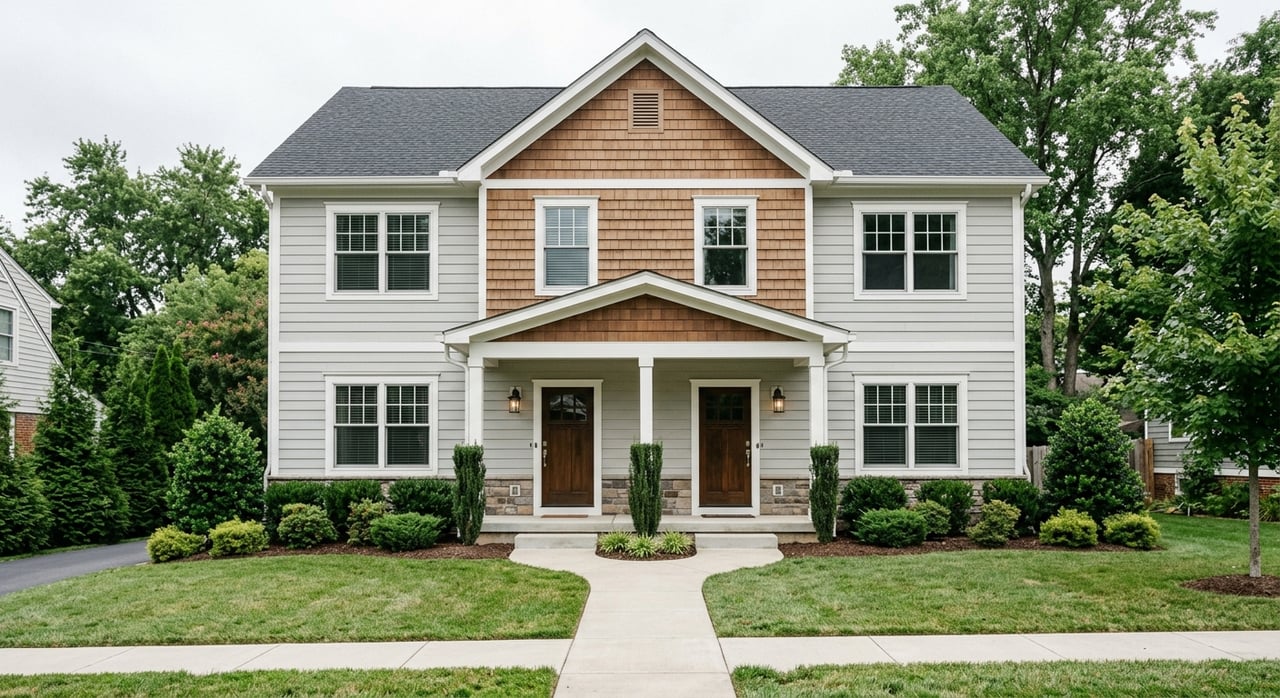
Thinking about buying a duplex or small multifamily property in Hermiston? It can be a smart way to build rental income, add flexibility to your housing plan, or grow your investment footprint, but this market rewards buyers who look closely at zoning, condition, and real operating costs. If you understand the local basics before you write an offer, you can make clearer decisions and avoid expensive surprises. Let’s dive in.
Why Hermiston stands out
Hermiston is a compact city with 19,906 residents and 6,564 households, spread across just 8.28 square miles. That matters because duplex and small multifamily opportunities here are often shaped by lot size, site fit, and local zoning just as much as by buyer demand.
The city’s planning work also points to ongoing housing need. Hermiston’s Housing Capacity Analysis identified a need for 2,030 new housing units by 2040, with 38.5% expected to be rental units. In the city’s 2025 growth update, Hermiston reported 130 new housing units approved in 2025 and 767 total housing units since 2020, which shows active development while demand remains an issue.
What small multifamily looks like in Hermiston
If you are shopping for a duplex, triplex, fourplex, or a small apartment-style property, it helps to know what the local housing stock actually looks like. Hermiston’s 2021 Housing Capacity Analysis found about 8,051 housing units in 2020 with a 4.7% vacancy rate.
Detached single-family homes made up about 60% of the housing stock, while larger apartment buildings accounted for about 15% and other attached homes about 13%. Manufactured homes made up about 12%. On the rental side, units were spread across detached homes, attached homes, duplexes, 3- or 4-plexes, 5+ unit buildings, and manufactured homes, with more than 36% of rental units in buildings with 5 or more units.
Older properties are common
One of the biggest takeaways for buyers is age. About 73% of Hermiston’s housing stock was built before 2000, and the city’s analysis notes that rental units are more likely than owner-occupied homes to be older and in need of reinvestment.
That does not mean older properties are bad buys. It does mean you should look carefully at whether the price reflects deferred maintenance, needed repairs, or future capital expenses. In small multifamily, condition can shape your cash flow just as much as rent.
Rent expectations: stay grounded
When you underwrite a duplex or small multifamily property in Hermiston, it helps to use realistic rent guardrails instead of optimistic guesses. For Umatilla County, the 2025 HOME rent limits show a 2-bedroom Fair Market Rent of $1,136, while Hermiston’s median gross rent is $1,088.
Those numbers are close enough to give you a useful baseline, but they should not be treated as a promise for any one unit. Actual rent potential will usually depend more on a property’s condition, bedroom count, utility setup, and overall appeal than on aggressive rent-growth assumptions.
What drives rent here
In Hermiston, duplex and small multifamily performance often comes down to practical details. Buyers should pay attention to:
- Unit condition
- Bedroom and bathroom count
- Whether utilities are included
- Parking and site usability
- Layout and tenant functionality
- Recent updates versus deferred maintenance
This is not a major-metro pricing environment where buyers can rely on fast rent jumps to fix a weak deal. A stronger approach is to build your numbers around today’s likely rents and a clear repair budget.
Zoning and site fit matter more than many buyers expect
Because Hermiston is relatively compact, site feasibility can be a big part of the deal. The city offers several land-use and development review paths, including pre-application meetings, zoning permits, site plan review, conditional use permits, variances, and middle-housing land-use adjustment applications.
For you as a buyer, that means a value-add idea should never be assumed. If you are counting on an addition, a conversion, extra parking, or another site change to improve income, it is worth checking whether the lot and zoning actually support that plan.
Lot coverage and setbacks can limit options
Hermiston’s accessory-structure guidance shows that residential structures may cover 45% of lot area in R-2, R-3, R-4, and RR zones. In R-1, lot coverage is limited to 40%.
Rear and side setback standards can also affect what you can add or modify. That can directly impact plans for garages, additions, outbuildings, or other improvements that seem simple at first glance.
Operating costs to factor into your numbers
A duplex that looks affordable on paper can still miss your goals if the operating costs are not well understood. In Oregon, property taxes are based on assessed value, and the Oregon Department of Revenue says maximum assessed value generally cannot rise by more than 3% per year unless there are changes to the property.
Umatilla County also notes that tax statements include permanent rates plus local option and bond levies. If a property has split-code details or unusual tax treatment, confirming the exact figures with the assessor is a smart step during due diligence.
Utility and infrastructure costs can affect returns
If you are planning major upgrades, redevelopment, or utility work, city infrastructure costs may matter more than you think. Hermiston’s Capital Improvement Plan says street, water, and wastewater projects are funded through utility rates, tax revenue, user fees, grants, and system development charges.
That does not mean every purchase will face major extra costs. It does mean buyers should leave room in their analysis for connection fees, utility work, or infrastructure-related expenses when the property needs more than basic cosmetic updates.
What to verify before you make an offer
In Hermiston, permit history and legal use should be part of your early due diligence. The city’s building department says remodels, additions, and garage conversions require permits, and that a new single-family or duplex project can use a combined permit for inspections under one permit number.
If you are evaluating an older duplex or a small multifamily property with additions or conversions, you should verify that the improvements were properly permitted. If a prior owner added living space, converted a garage, or changed the site layout without approval, that can affect value, financing, and your future plans.
Focus on these inspection checkpoints
Because older rental housing is common in Hermiston, condition deserves close attention. A practical inspection and review checklist includes:
- Roof age and remaining life
- Plumbing condition
- Electrical service and panel capacity
- HVAC performance and age
- Moisture intrusion
- Drainage around the structure
- Signs of deferred maintenance
- Permit history for remodels and conversions
These items matter because older systems can change your budget quickly. A property that looks like a solid income opportunity may need immediate repairs that shift the numbers.
A practical offer strategy for Hermiston buyers
When you are buying a duplex or small multifamily property here, the best offers are usually built on verification, not assumptions. That means looking at both income potential and site reality before you tighten contingencies or move forward with a strong price.
A useful negotiation framework is to:
- Verify permit history
- Confirm zoning and lot coverage
- Compare current rents to local benchmarks
- Review tax district details
- Budget for utility or infrastructure work
- Evaluate deferred maintenance before finalizing your offer
This kind of process fits the Hermiston market well because many properties are older, site constraints can matter, and small changes in expenses can affect long-term returns.
How to buy with more confidence
If you are buying your first duplex or adding a small multifamily property to your portfolio, Hermiston can offer real opportunity, but only if you stay disciplined. The local housing need is clear, rental demand matters, and small properties can fill a useful role in the market.
At the same time, the strongest buyers are the ones who look past the headline price. When you check zoning early, verify permits, use realistic rent assumptions, and budget for age-related repairs, you give yourself a much better chance of buying a property that truly works for your goals.
If you want help evaluating a duplex or small multifamily opportunity in Hermiston with a practical, boots-on-the-ground approach, connect with Amanda Hart for clear guidance and a smart next-step plan.
FAQs
What should I check first when buying a duplex in Hermiston?
- Start with permit history, zoning, current rents, lot coverage, and visible deferred maintenance before you decide what the property is worth.
What rent numbers should I use for Hermiston small multifamily analysis?
- A reasonable starting point is Hermiston’s median gross rent of $1,088 and the 2025 Umatilla County 2-bedroom Fair Market Rent of $1,136, then adjust based on the unit’s condition and features.
Are older multifamily properties common in Hermiston?
- Yes. Hermiston’s housing analysis found that 73% of the housing stock was built before 2000, and rental units are more likely to be older and need reinvestment.
Why does zoning matter when buying small multifamily in Hermiston?
- Zoning, lot coverage, setbacks, and review requirements can affect whether you can add units, expand improvements, change layouts, or complete value-add plans.
How do property taxes work for Hermiston investment property?
- In Oregon, property taxes are based on assessed value, and maximum assessed value generally cannot rise by more than 3% per year unless there are changes to the property.
What city process issues can affect a Hermiston duplex purchase?
- Buyers should be aware that pre-application meetings, zoning permits, site plan review, variances, and other city approval paths can affect timelines and feasibility for future improvements.